
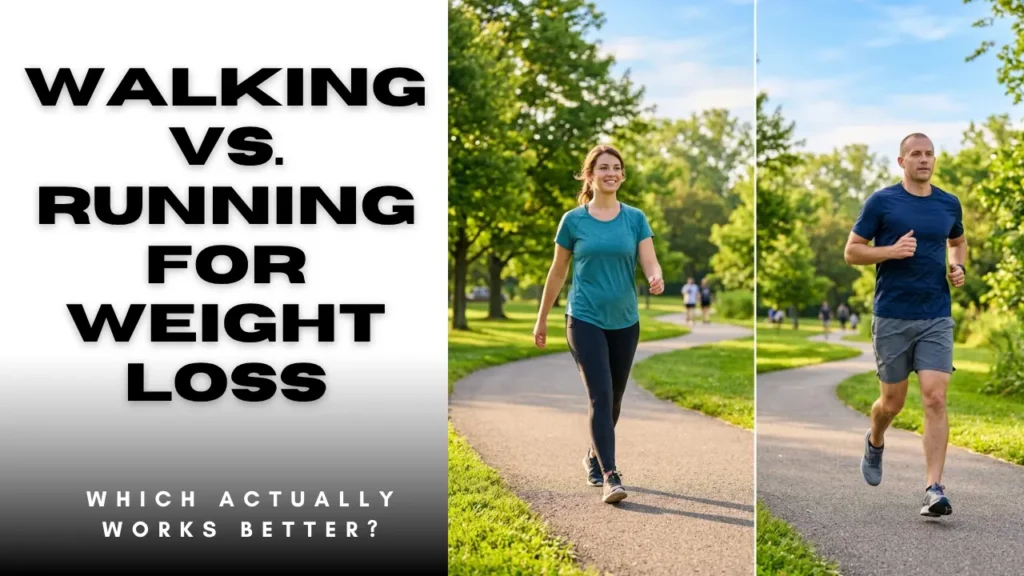
If you’ve ever typed “how to lose weight” into Google, you’ve almost certainly seen the same advice over and over again: “Move more, eat less.” Simple enough — but then comes the big question that stops so many people in their tracks: Should I Walking vs. Running for Weight Loss?
Some swear by morning walks, saying running is too hard on the body. Others insist running is the only way to burn fat fast. The internet is full of conflicting takes, and it’s easy to get stuck wondering, Am I wasting my time strolling? Or am I just being too scared to hit the pavement?
Here’s the honest truth: Neither walking nor running is “better” by default. The right choice depends on your body, your schedule, your fitness level, and — most importantly — what you can actually stick to long-term.
In this article, we’ll break down exactly how walking and running compare for weight loss, look at the numbers, share real-life examples, and help you build a plan that actually works for you. No hype, no jargon — just clear, actionable advice you can start using today.
Table of Contents
Understanding the Basics: How Weight Loss Really Happens
Before we pit Walking vs. Running for Weight Loss against each other, let’s get one fundamental fact straight. Walking vs. Running for Weight Loss ultimately comes down to a calorie deficit: burning more energy than you consume. Every activity you do burns calories, and the bigger the deficit, the more weight you tend to lose — provided you don’t overeat to “make up” for it later.
Where things get interesting is how efficiently each activity burns those calories, and what happens to your body after you finish moving. This is where Walking vs. Running for Weight Loss really starts to differ — and where most articles get the story wrong.
You may also like: Proven Low Impact Weight Loss Workout for Beginners Over 40
Calorie Burn Showdown: Walking vs. Running for Weight Loss
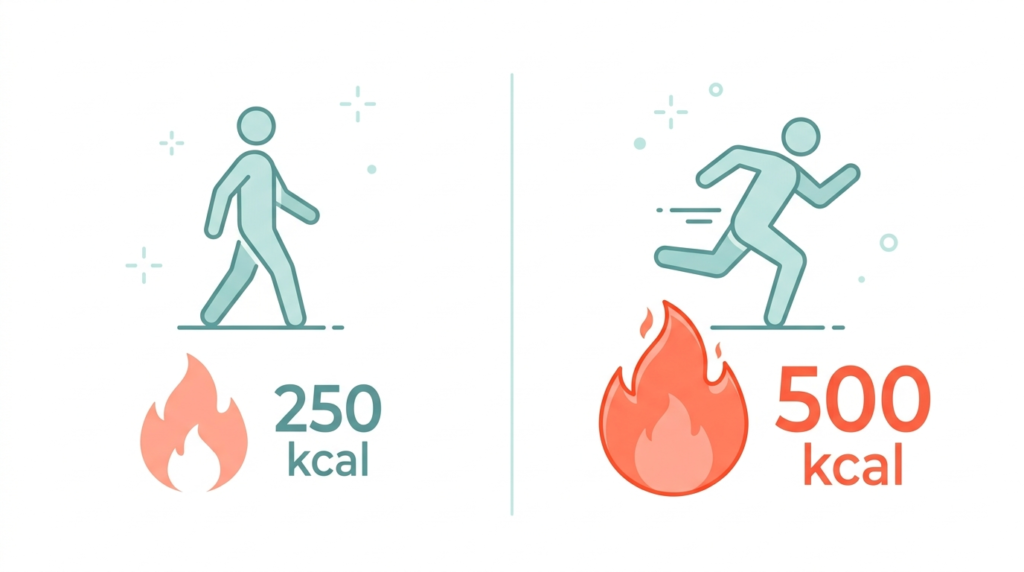
Let’s start with the numbers. Calorie burn depends mostly on your body weight, speed, and time spent moving. Here’s a realistic comparison for someone weighing 70 kg (154 lbs):
Table
| Activity | Pace | Calories burned in 30 mins | Calories burned in 60 mins |
|---|---|---|---|
| Brisk walking | 5 km/h (3.1 mph) | ~150 | ~300 |
| Brisk walking | 6.5 km/h (4 mph) | ~185 | ~370 |
| Jogging | 8 km/h (5 mph) | ~300 | ~600 |
| Running | 10 km/h (6.2 mph) | ~380 | ~760 |
| Fast running | 12 km/h (7.5 mph) | ~450 | ~900 |
Source: Compiled from Harvard Health Publishing and ACE Fitness estimates
At a glance, running clearly wins — it burns roughly twice as many calories per minute as walking. That’s why so many people say “just run!” But here’s the catch: most people cannot sustain high intensity for very long.
Example: The 30-Minute Difference
Imagine two friends, Raj and Sita, both aiming for daily exercise:
- Raj tries running: He pushes hard for 15 minutes, burns about 190 calories, gets out of breath, sore, and decides “that’s enough for today.” He feels exhausted and skips exercise the next day.
- Sita walks briskly: She keeps a steady pace for 45 minutes, burns about 280 calories, feels energized, and comes back the very next day.
After one week: Raj burned ~1,330 total; Sita burned ~1,960 total. Walking won — simply because it was easier to keep doing.
Key Takeaway: Running burns more per minute, but walking wins in sustainability. And in weight loss, consistency always beats intensity.
The “Afterburn Effect”: What Happens After You Finish Moving
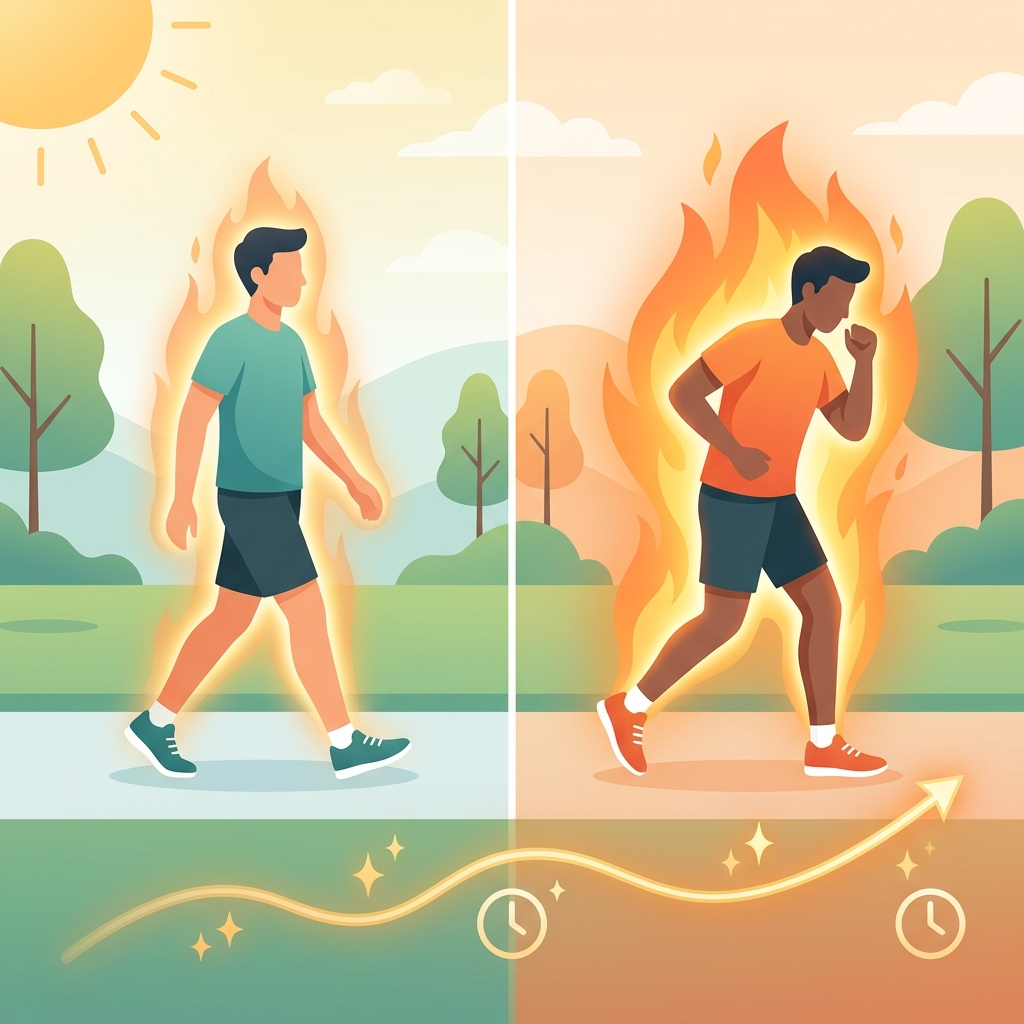
This is where things get really interesting. When you exercise, your body continues burning extra calories for hours afterward — this is called EPOC (Excess Post-exercise Oxygen Consumption), or simply “the afterburn.”
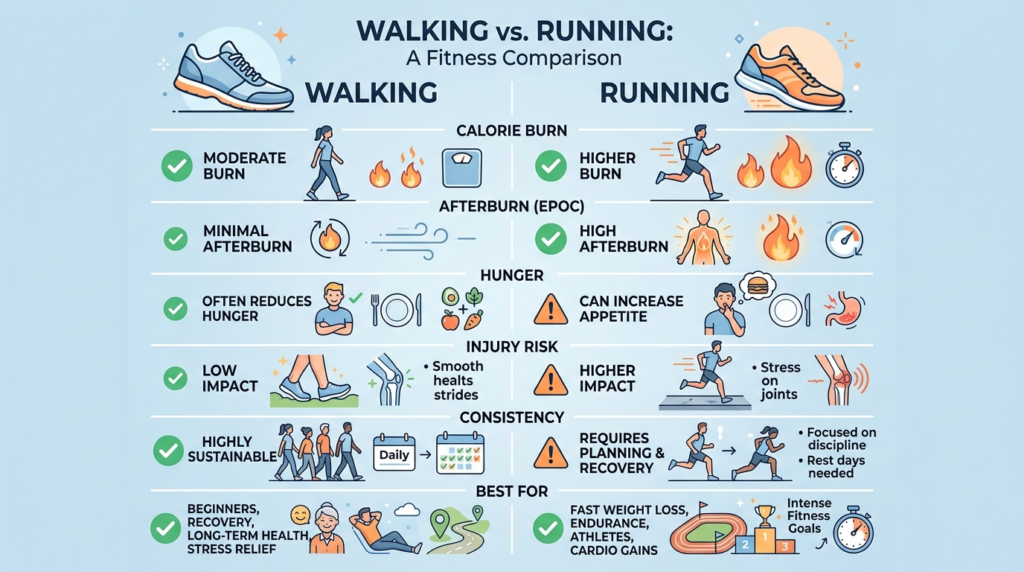
- Walking: Low-to-moderate intensity. Afterburn is minimal — maybe 1–5% extra calories over a few hours. Your body recovers quickly.
- Running: Higher intensity. Afterburn can be 6–15% or more — your body works harder to repair muscles, restore oxygen levels, and cool down, burning extra energy for 12–24 hours after your run.
What Does That Mean in Plain English?
If you run, you get a small bonus: you keep burning extra calories even while sitting at your desk later. But that bonus is often exaggerated online. A 300-calorie run might net you an extra 30–45 calories over the rest of the day — helpful, but not enough to melt pounds on its own.
Walking gives you almost no afterburn — BUT it has another superpower most people ignore: it rarely triggers hunger pangs.
The Hidden Hunger Trap
Here’s a huge mistake people make with running: they feel entitled to eat more afterward.
- Run 30 minutes → burn ~300 calories → reward yourself with a muffin (~350 calories) → net gain: +50 calories. Zero progress.
- Walk 60 minutes → burn ~300 calories → feel pleasantly hungry → eat a normal meal → net loss: –300 calories. Real progress.
Study after study shows: high-intensity exercise often increases appetite hormones, making you unconsciously eat back everything you burned. Walking? It’s gentle enough that it doesn’t spike your hunger — making it far easier to actually keep that calorie deficit.
Muscle, Metabolism, and Long-Term Progress
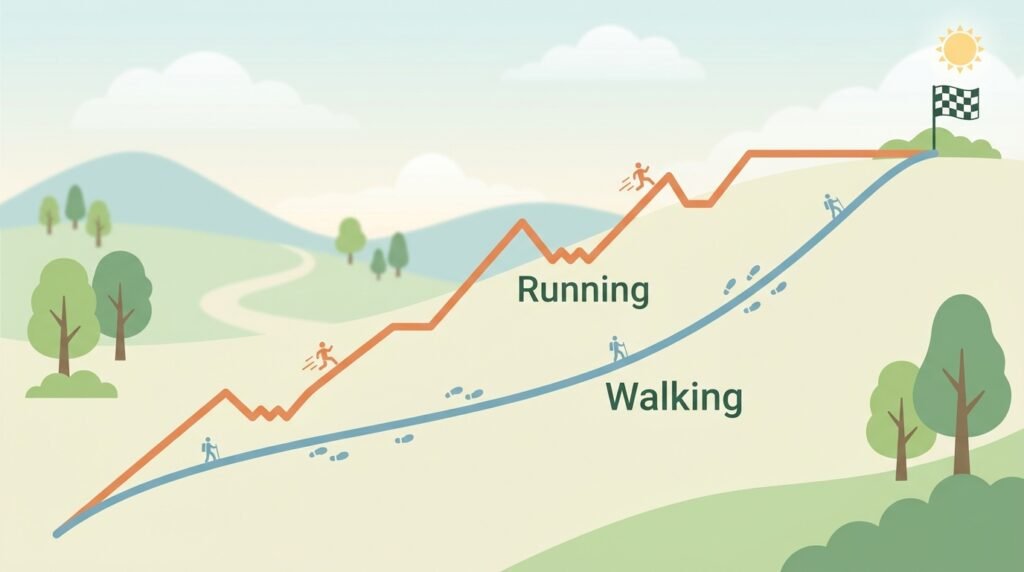
Weight loss isn’t just about the scale — it’s about what happens to your metabolism over time.
Running: Builds Some Muscle, but…
Running engages your calves, quads, hamstrings, glutes, and core. Over time, it can strengthen those muscles — and muscle tissue burns more calories at rest than fat does. That’s a good thing!
The catch: running is mostly endurance work, not strength building. You won’t pack on large muscles from running alone. Plus, if you run too much without enough food or rest, your body can actually break down muscle for energy — lowering your metabolism long-term.
Walking: Preserves Muscle, Protects Metabolism
Walking is low-stress. When you lose weight with walking, research shows you retain more muscle compared to faster weight loss from running or calorie restriction alone. That means your metabolism stays stronger — making it much easier to keep the weight off months or years later.
Real-Life Example: Two Weight-Loss Journeys
Meet Anita and Bina, both 38, both wanting to lose 10 kg:
- Anita started running: Lost 5 kg in the first month! Felt amazing. Then her knees started hurting. She took a week off, then another. The hunger hit hard. Within 3 months, she’d regained 4 kg.
- Bina started walking: Lost 2 kg the first month — slower, but steady. No soreness, no crazy cravings. She added 5 minutes each week. In 5 months, she’d lost all 10 kg. One year later? She still walks daily — and her weight hasn’t bounced back.
Slow, steady progress that you can maintain always beats fast results you can’t keep.
Injury Risk: The Silent Dealbreaker
This is rarely talked about — but it’s everything. If you get injured, you stop exercising. If you stop exercising, weight loss stops too.
- Walking: Very low impact. Your feet hit the ground with roughly 1–1.2 times your body weight. Almost anyone of any age or fitness level can walk safely.
- Running: High impact. Each step hits with 2–3 times your body weight. Knees, ankles, shins, and hips take a beating. Beginners very commonly get shin splints, runner’s knee, or plantar fasciitis — especially when they push too hard too fast.
Rule of thumb: If you carry extra weight, have joint issues, or are over 40, walking is safer and often more effective long-term. Running is great — but only if your body can handle it.
Time, Accessibility, and Consistency
Let’s be practical. The “best” exercise is the one you’ll actually do.
Walking Wins Because:
- No equipment needed — just shoes
- You can do it anywhere: neighborhood, park, office hallway
- You can talk, listen to podcasts, or call friends while doing it
- You feel good afterward — energized, not drained
- Almost zero recovery time
Running Requires:
- Better shoes
- Warm-up and cool-down periods
- Recovery days between sessions
- Building up slowly to avoid injury
- Often requires a specific time and place
Example: Who Stays Consistent?
- Busy parents: Walking while kids play at the park = daily habit. Running? Hard to fit in.
- Shift workers: 20-minute brisk walk at sunrise or sunset = easy. Scheduled run times? Impossible.
- Beginners: Walking feels doable from Day 1. Running often feels miserable the first few weeks — so most people quit.
Consistency is the #1 predictor of long-term weight loss success. And walking is simply easier to keep doing — month after month, year after year.
The Ultimate Verdict: Walking vs. Running — Which Is Better?
Let’s settle Walking vs. Running for Weight Loss once and for all, with no marketing fluff:
✅ RUNNING is better IF:
- You already have decent fitness
- You have healthy knees and ankles
- You enjoy pushing yourself and don’t mind soreness
- You can watch your diet and resist post-run overeating
- You want faster visible results in the short term
✅ WALKING is better IF:
- You’re new to exercise or returning after a break
- You carry extra weight or have joint concerns
- You hate feeling breathless or exhausted
- You want something you can do every single day
- You’re in it for the long haul — keeping weight off forever
- You want to avoid triggering extra hunger
🏆 THE WINNER? When it comes to Walking vs. Running for Weight Loss, for most people? WALKING.
Running burns more calories per hour — but only if you keep doing it. And most beginners don’t. Walking burns less per hour — but most people stick with it. Over months and years, that consistency creates incredible results. When you look at Walking vs. Running for Weight Loss side by side, sustainability beats speed every time. At the end of the day, Walking vs. Running for Weight Loss isn’t about which burns more in an hour — it’s about which one helps you keep the weight off for good.
Why Not Combine Both? The Perfect Weight-Loss Plan
You don’t actually have to choose! The smartest approach blends both — getting the best of both worlds without the downsides.
Here’s a balanced weekly routine that works beautifully for fat loss:
Table
| Day | Activity |
|---|---|
| Monday | Brisk walk — 45–60 minutes |
| Tuesday | Intervals: Walk 5 min, jog 1 min → repeat 8–10 times |
| Wednesday | Brisk walk — 45–60 minutes |
| Thursday | Intervals: Walk 4 min, jog 2 min → repeat 6–8 times |
| Friday | Brisk walk — 45–60 minutes |
| Saturday | Longer walk or easy jog — whatever feels good |
| Sunday | Rest or very slow, casual walk |
How to Progress Gradually
- Start with walking only for 2–3 weeks to build habit
- Add just 1 minute of jogging every few days
- Listen to your body — soreness is normal; sharp pain means STOP
- If you dread running, skip it entirely! Walking alone will get you there — I promise
How Much Do You Actually Need to Walking vs. Running for Weight Loss?
Here’s what the science and real-world results tell us:
For Walking:
- Minimum: 30 minutes brisk walk, 5 days/week → ~1,000–1,500 extra calories burned weekly
- Sweet spot: 45–60 minutes daily → ~2,500–3,500 extra calories weekly → roughly 0.5–1 kg lost per month from walking alone
- Speed matters: “Brisk” means you can talk but can’t sing. If you’re checking your phone every 2 minutes, you’re strolling — pick up the pace!
For Running:
- Minimum: 20–30 minutes, 3–4 days/week → similar calorie burn to more walking
- Sweet spot: 30–45 minutes, 3–4 days/week → plus walking on rest days
- Don’t overdo it: Running more than 5 days/week raises injury risk — and doesn’t speed up weight loss much once you account for recovery and hunger
The Honest Timeline
- Week 1–4: No visible change on the scale. Your body is adapting. Keep going!
- Month 2–3: Clothes start fitting looser. People ask if you’ve lost weight.
- Month 4–6: Visible fat loss. More energy, better sleep, brighter mood.
- Month 12: You’ve built a daily habit. Weight stays off naturally.
Realistic expectation: 0.5–1 kg per week is healthy weight loss. Anything faster is mostly water and muscle — and it returns fast.
Common Mistakes to Avoid (These Slow Your Progress!)
❌ Mistake 1: “I exercised so I can eat whatever I want”
This is the #1 reason people fail at Walking vs. Running for Weight Loss. Exercise alone rarely creates weight loss — it works with your diet, not instead of it. A 40-minute run = one samosa or muffin. Calories in always matter more than calories out.
❌ Mistake 2: Starting too fast, too furious
“New Year’s Resolution Syndrome”: Go from zero to 1-hour runs daily. Sore, injured, miserable. Quit in 2 weeks. In Walking vs. Running for Weight Loss, start so easy you feel slightly silly doing it. Build from there.
❌ Mistake 3: Walking too slowly
Strolling at window-shopping pace burns very little. Brisk walking is what works — enough pace to raise your breathing slightly. Swing your arms, keep your posture upright, and keep moving. This is where most people get Walking vs. Running for Weight Loss completely wrong.
❌ Mistake 4: Obsessing over the pace
“Am I running fast enough?” doesn’t matter nearly as much as “Am I moving consistently?” A slow 60-minute walk beats a fast 15-minute run every single time.
❌ Mistake 5: Comparing your results to others
Your friend lost 5 kg running? Great — for their body. Genetics, age, hormones, sleep, and diet all play huge roles. Focus on your progress, not someone else’s timeline.
Walking vs. Running for Weight Loss: Practical Tips to Maximize Results
For Walking:
- 🚶 Walk after meals: 15 minutes post-dinner lowers blood sugar and aids fat burning
- 📈 Aim for 7,000–10,000 steps daily: Not a rigid rule — just a helpful benchmark
- ⛰ Add hills or stairs once or twice weekly: Boosts burn without running
- 🧍 Posture matters: Shoulders back, chest up, swing arms — burns up to 10% more calories
For Running:
- 👟 Invest in good shoes: Visit a specialty shop for proper fitting — worth every rupee
- 🏃 Warm-up 5 min before every run: Walking + leg swings prevent 80% of injuries
- 📉 Don’t increase distance more than 10% per week: The golden injury-prevention rule
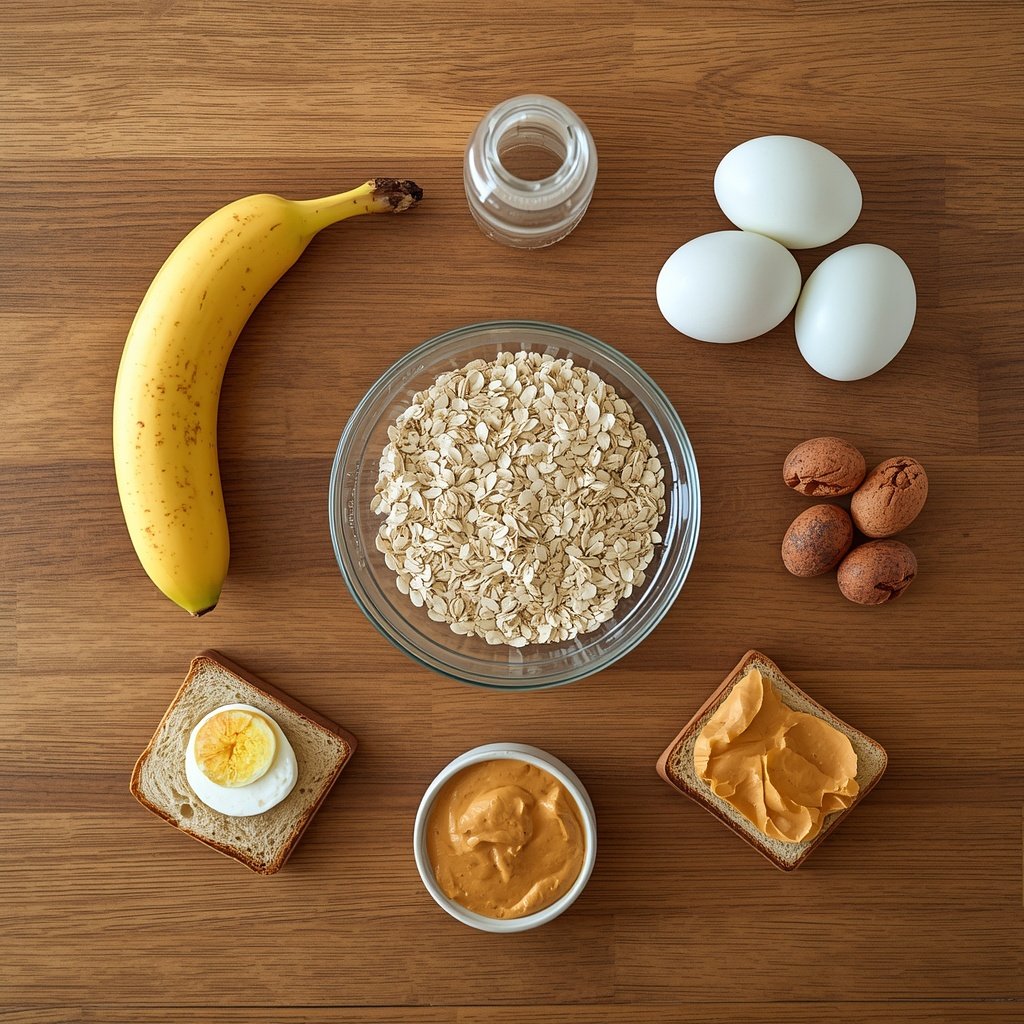
- 🥗 Plan meals around runs: Eat a little easily-digested food (banana, toast) 30–60 minutes before, and — crucially — don’t overeat afterward
Final Thoughts: The Best Exercise Is the One You Keep
After reading all this, you might expect me to declare a clear winner in Walking vs. Running for Weight Loss. Here’s the honest truth:
Walking vs. Running for Weight Loss — both are amazing for weight loss — when you stick with them.
Running is faster, more intense, and burns more calories per minute — if your body tolerates it, if you don’t overeat afterward, and if you don’t get injured and quit. For many people, that’s three big “ifs” in Walking vs. Running for Weight Loss.
Walking is gentler, safer, easier to fit in, less likely to spike hunger, and — most importantly — something you can keep doing for the rest of your life. And that’s why, in Walking vs. Running for Weight Loss, for the majority of people reading this right now, walking will actually help you lose more weight in the long run.
You don’t need to suffer to lose weight. You don’t need to be breathless or sore. You just need to pick something reasonable, start small, show up every day — and trust the process.
If you love running? Run! Just be careful, eat sensibly, and respect your recovery days.
If running feels like torture? Don’t run. Walk briskly instead. Put one foot in front of the other, keep showing up, and over months you’ll see the results. Slow progress is still progress — and it’s the only kind that lasts.
Frequently Asked Questions
Q: Can I lose weight just by walking — no running required?
A: Absolutely! Walking 45–60 minutes daily, combined with a sensible diet, creates steady, sustainable weight loss. Many people lose all their desired weight only with walking.
Q: How long until I see results from walking or running?
A: Most people notice better energy and sleep within 1–2 weeks. Clothes fit looser around Month 2–3. Visible changes on the scale show clearly by Month 4–6. Be patient — the wait is worth it.
Q: Is walking or running better for belly fat?
A: Both reduce belly fat — but you can’t “spot reduce” fat from just your stomach. Walking has a slight edge long-term because it lowers stress hormones (which store fat around the midsection), making it easier to lose belly fat over time.
Q: I’m overweight — should I walk or run?
A: Start with walking. Extra weight puts extra stress on joints. Walking lets you lose weight safely while building fitness. Once you’re lighter and stronger, you can try jogging intervals if you want — no rush at all.
Q: Which gives better results — walking or running for long-term weight loss? A: When looking at Walking vs. Running for Weight Loss over months and years, walking usually wins. Running burns more per session, but most people can’t keep up the intensity without soreness, hunger, or injury. In Walking vs. Running for Weight Loss, consistency beats speed — and walking is far easier to stick to permanently.
Q: Can I mix both walking and running to lose weight faster? A: Absolutely! Combining Walking vs. Running for Weight Loss is actually the smartest approach. You get running’s extra calorie burn and walking’s sustainability — without the downsides. Try walking on most days, and add short jog intervals 2–3 times weekly. This balances intensity and recovery, helping you lose weight steadily and keep it off.
Also Read: Workouts for Obese Beginners at Home: A Gentle, Safe Plan to Lose Belly Fat
Thank you for reading! If you found this helpful, share it with a friend who’s also wondering whether to walk or run. Drop a comment below — what’s been your experience? Walking, running, or both? Let’s learn from each other!

Fitness Specialist & Former Tactical Trainer
Bal Krishna Poudel has spent more than 19 years in law enforcement organization, and fitness has been at the center of it all. He knows physical conditioning, dynamic strength training, and everyday wellness inside and out. For close to two decades, he taught at official police training centers, getting officers ready for the physical demands of the job—building their endurance and operational fitness. These days, he coaches people in his local community on strength and fitness. At 49, he doesn’t just talk about staying active—he lives it, showing up every day to train and move. He writes for Bodylix, where he shares workouts and nutrition advice that regular readers can actually use, backed by science and built around one goal: helping people stay strong and healthy for the long haul.

4 Responses