
Low-Impact Weight Loss Workout for Beginners Over 40: Joint-Friendly Fat Loss Without Jumping
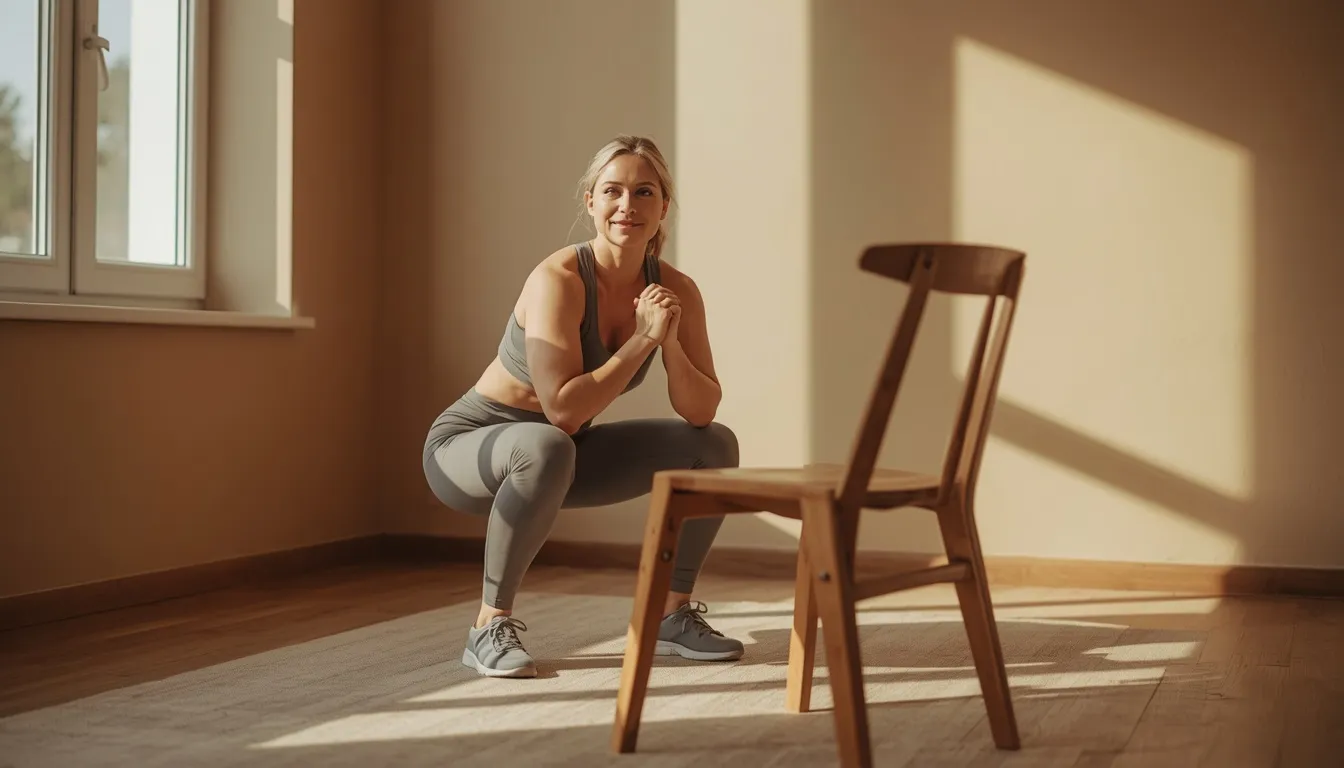
If you’ve landed here, you’ve probably already tried things that didn’t work. Videos that felt too intense. Plans that assumed you could jump like you did 20 years ago. Something changes after 40 — your body changes — and fighting that fact just leads to soreness and frustration. There’s a better way. A no jump fat burning routine can work every bit as well as high-impact stuff, and you won’t be limping for days afterward. This is safe exercise after 40 designed to fit your life right now.
Why “More Intense” Isn’t Always Better
I started coaching in this area a couple of years back. Men and women would walk through the door excited to get moving again — and nervous. They’d seen all the fast-paced videos online. They knew their knees and hips wouldn’t handle that kind of pounding, and they felt like that meant they couldn’t get fit. It didn’t sit right with me.
So I put a simple low impact method into practice with them. No jumping. No moves that leave you wincing the next morning. Just steady, careful work that meets people where they are. And you know what? It became the part they looked forward to most. They showed up. They stayed consistent. And they saw changes — not overnight, but steadily. That’s the real win. Consistency beats intensity every single time.
After 40, muscle mass naturally slips away if you don’t hold onto it. Your joints don’t recover as fast. That’s not a flaw — it’s just how things work. Fighting it doesn’t help. Working with it does. Low-impact doesn’t mean low-result. It means smart. You keep one foot on the ground, protect your joints, and still build strength, burn fat, and feel better than you have in years.
Your First Session: 6 Simple Moves
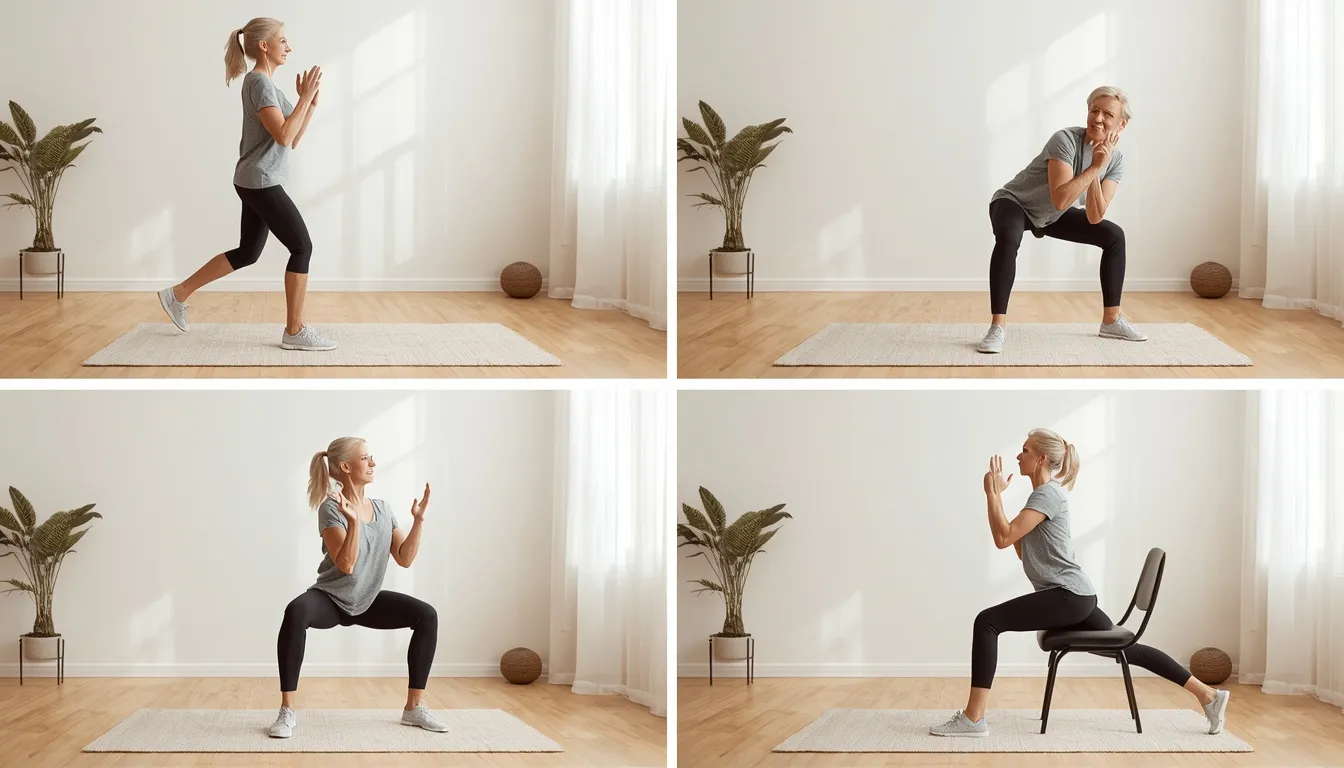
This circuit takes about 25 minutes. Do it three days a week with at least one rest day in between. Start with a couple of minutes of easy marching just to loosen up. Then go through these six moves — 45 seconds of work, 15 seconds of rest — and repeat the full list twice. If two rounds feel like too much, stick to one. You’ll get there.
- Marching in Place with Arm Raises — Stand tall. Lift your knees gently as you swing your arms. It warms your whole body without stressing anything. Keep it light and steady.
- Wall Push-Ups — An arm’s length from a wall, hands at shoulder height. Lower yourself slowly toward it, then push back. Far easier than floor push-ups and kind to wrists and shoulders.
- Chair Squats — Stand in front of a sturdy chair. Sit down lightly — don’t plop — then stand back up. The chair sets your safe range so you can’t go too deep too fast.
- Standing Side Leg Lifts — Hold onto a chair or counter. Lift one leg gently out to the side, then lower it just as slowly. Works hips and balance without twisting your knee.
- Standing Bicycle Twists — Hands near your head, bring one elbow toward the opposite knee as it rises. Works your belly without getting down on the floor.
- Standing Calf Raises — Rise up onto your toes, hold for a moment, then lower slowly. Strong calves support your whole body as you move.
Make It Easier: Built-In Adjustments
There’s no prize for doing it the hardest way. Pick the version that feels right for you today — it might be different next month.
| Exercise | Standard | Softer on Knees | Softer on Back | Low Energy Day |
|---|---|---|---|---|
| Marching & Arms | Knees up, arms extended | Smaller steps, bend elbows | Stand tall, don’t lean forward | March slower, keep movements short |
| Wall Push-Ups | Full range, steady pace | Stand further back or use a counter | Keep hips in line, don’t arch | Don’t lower as far — shorter motion |
| Chair Squats | Touch seat lightly, stand fully | Use a higher chair, bend knees less | Hold chair back, stay upright | Sit fully down, use your hands to push up |
| Side Leg Lifts | Lift 6–10 inches, slow down | Keep foot close to floor, smaller lift | Hold support firmly, don’t lean | Hold with both hands, lift just a little |
| Bicycle Twists | Elbow to knee, full rotation | Keep feet down, gentle turn only | Hands on chest instead of behind head | Pause between each one, take your time |
| Calf Raises | Full rise, hold one second | Rise halfway, hold a wall | Keep both hands on something steady | Do fewer, rest longer in between |
Getting Stronger Week by Week
This is your 4 week low impact program roadmap. You don’t rush it. You settle in at one level until it feels comfortable, then nudge it forward.
| Week | How Many Rounds | Work Time | Rest Time | What to Focus On |
|---|---|---|---|---|
| Week 1 | 1 round only | 30 seconds | 30 seconds | Getting the shape right — speed doesn’t matter |
| Week 2 | 1–2 rounds | 40 seconds | 20 seconds | Add the second round only if the first felt doable |
| Week 3 | 2 rounds | 45 seconds | 15 seconds | Standard pace. Add a 5-minute walk after if you can |
| Week 4+ | 2 rounds + bonus | 45 seconds | 15 seconds | Skip rest between the last two moves for an extra push |
Your Weekly Schedule Low Impact Training Plan
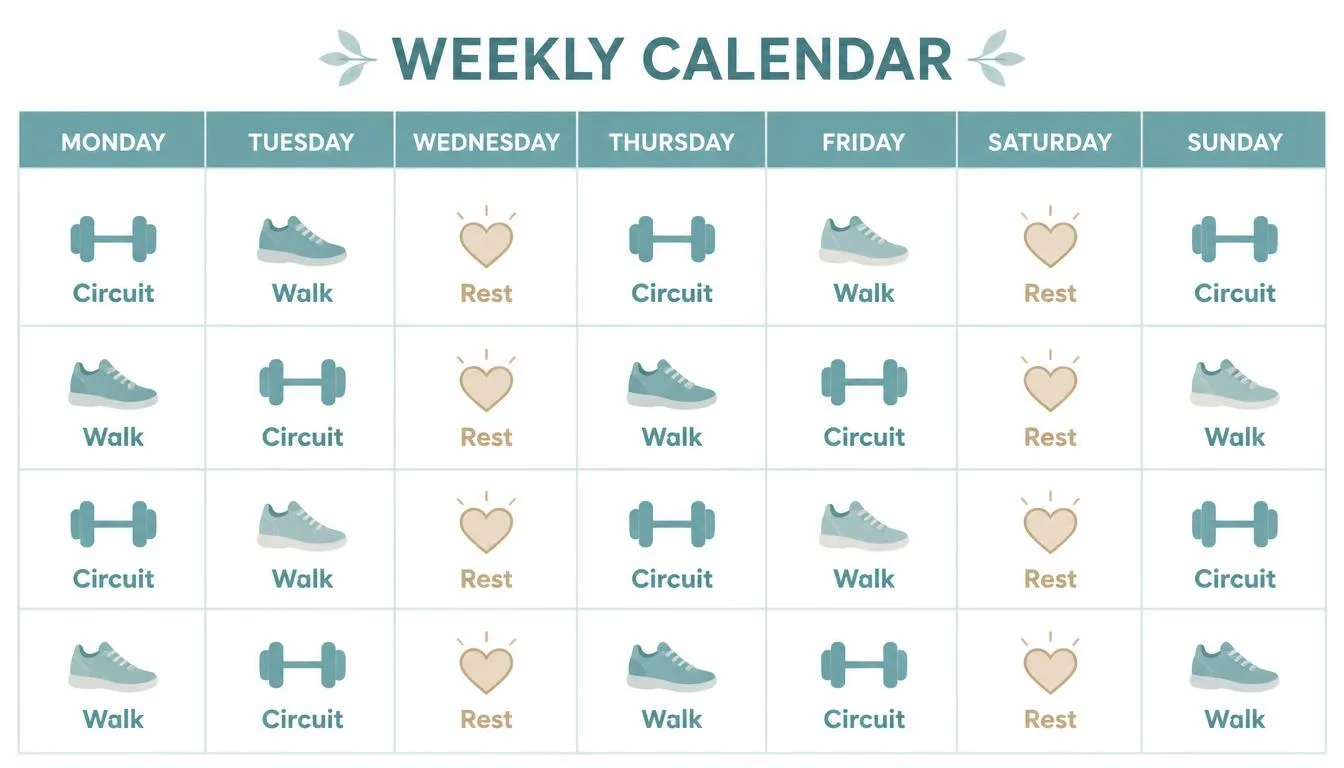
Rest days aren’t “skipping” — they’re how your body actually changes. Here’s how to spread it out over seven days:
| Day | Focus | What to Do | Time Needed |
|---|---|---|---|
| Monday | Full-Body Circuit | Your 1–2 rounds of the core routine | 15–30 min |
| Tuesday | Gentle Movement | Walk at a comfortable pace or stretch | 15–20 min |
| Wednesday | Full-Body Circuit | Same as Monday | 15–30 min |
| Thursday | Gentle Movement | Short walk after meals, slow and steady | 15–20 min |
| Friday | Full-Body Circuit | Your routine + optional bonus round | 15–30 min |
| Saturday | Longer Outing | Longer walk, gardening, or light activity you enjoy | 30–45 min |
| Sunday | Rest & Plan | Full rest. Think through meals for the week ahead | — |
Eating Right Without the Confusion
You can’t out-move a diet that doesn’t support you. After 40, this matters even more. Here’s what actually works — no counting every calorie, no cutting entire food groups.
Protein First — Here’s Why
When you drop weight, you lose both fat and muscle unless you actively protect that muscle. That’s where protein for muscle preservation weight loss comes in. Aim for roughly 0.7 to 1 gram of protein for every pound of your target weight each day. It keeps your metabolism working well and keeps you feeling full longer.
Good sources include eggs, fish, chicken, lentils, yogurt, and tofu. Need ideas? Our list of high-protein foods breaks it down simply so you can pick what fits your budget and taste.
Eating Less Without Starving
You don’t need a complicated app. Eating just a little less — 300 to 500 calories below what you burn each day — adds up to steady, sustainable loss. That’s about half a pound to a pound each week. It sounds slow, but it’s the pace that sticks. Crash diets drop weight fast — and it comes back faster.
Simple Rules You Can Actually Keep
- Fill half your plate with vegetables at most meals
- Pick whole foods over packaged snacks whenever you can
- Drink water throughout the day — thirst often feels like hunger
- Sleep 7 to 8 hours. When you’re tired, your body craves extra food
- Wondering what to eat before you move? Our pre-workout guide keeps it simple
For trusted guidance on long-term habits, this guide from Hopkins Medicine covers evidence-based principles that work at any age.
How Hard Should You Push?
Forget fancy watches. How you feel tells you everything you need to know.
| Zone | Effort Level | Can You Talk? | Best Used For |
|---|---|---|---|
| Light | Easy enough | Full sentences no problem | Warming up, daily walks, recovery days |
| Steady | Comfortable effort | Short phrases only | This is your main fat-burning zone — stay here most days |
| Challenging | Breathing heavier | One or two words at a time | Build stamina. Add sparingly after Week 3 |
If you feel dizzy, short of breath, or just plain done — slow down or stop. Numbers on a screen don’t matter more than your body telling you what it needs.
Tracking That Actually Tells the Truth
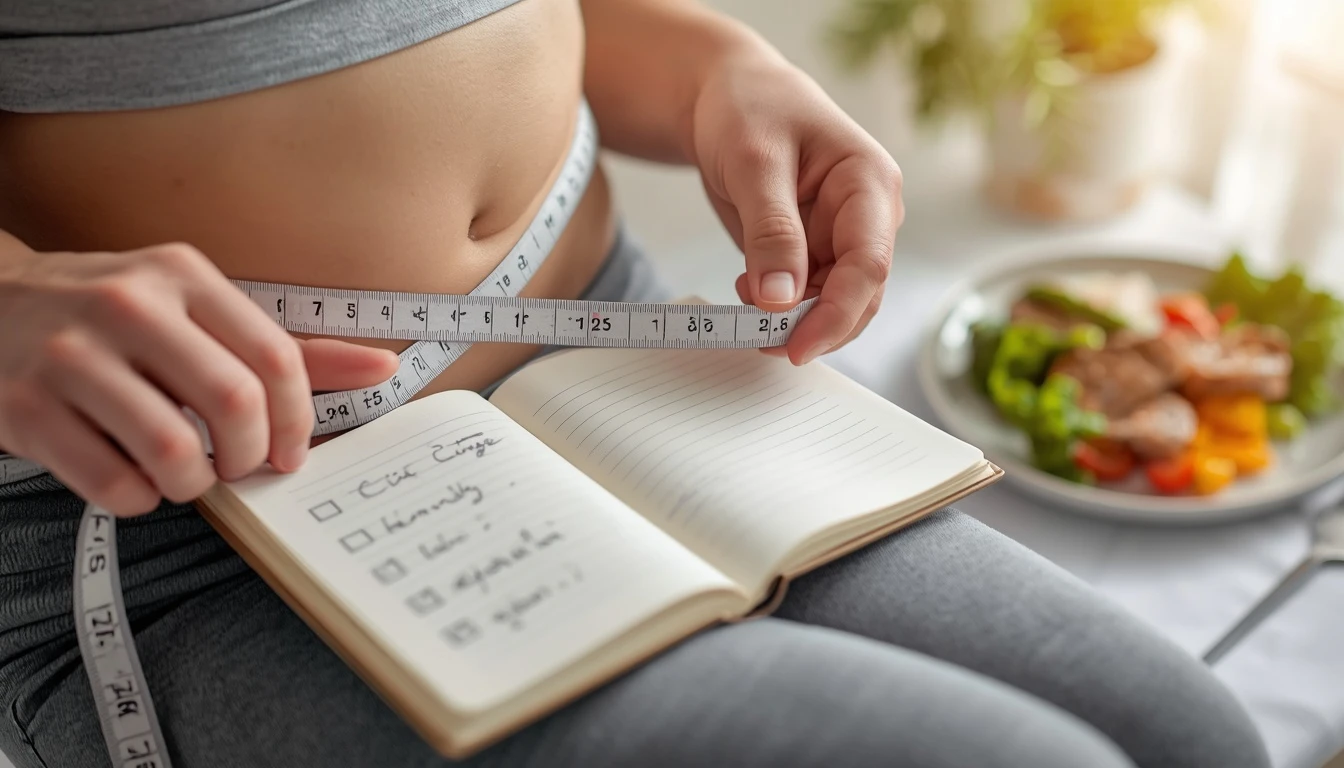
The scale lies. It shows water, food, and muscle changes alongside fat. Use these four markers together instead, and you’ll see the real picture:
- Weigh once a week, same time, same clothes — A single day’s bounce doesn’t mean anything. Watch the trend over a month.
- Notice how your clothes fit — Looser around the waist? That’s real progress, even if the number hasn’t moved.
- Measure your waist — Around your belly button. Under 35 inches for women, under 40 inches for men means lower health risks.
- Notice how you feel — Climbing stairs feels easier. You sleep deeper. You have energy in the afternoon. These shift before the scale does.
Take a photo once a month in similar lighting. Side by side, the difference usually shows up weeks before you see it day to day in the mirror.
Rest Isn’t Slacking — It’s Part of the Work
Your muscles repair and strengthen when you rest, not when you move. After 40, that takes longer. That’s not being out of shape — that’s biology. Give your body the time it needs.
- At least one full rest day every week
- Active recovery days mean short, gentle movement — not pushing harder
- If you wake up sore two mornings in a row, take an extra easy day
- Sleep 7+ hours. That’s when your body actually adapts to your new routine
Your Most Common Questions
Can I lose weight with low-impact workouts after 40?
Yes, absolutely. You don’t need to jump or run to burn fat. Brisk walking, steady circuits, and building muscle all work together. Keep moving most days, eat sensibly, and the weight will come off.
I haven’t exercised in years — where do I actually start?
Start so small it feels almost silly. 5 to 10 minutes a day. March while water boils. Do a few chair squats during TV breaks. The habit matters more than how long you do it. Once it feels normal, add a little more. Our beginner basics guide and 10-minute starter plan are built exactly for this.
I carry extra weight or my knees hurt — will this work for me?
That’s exactly who this was built for. Every move has gentler options right in the table above. If you need something even simpler, our extra-gentle starter plan uses seated and chair-supported moves to build strength without strain.
When will I actually see results?
You’ll feel better in 2 to 3 weeks. Clothes will start fitting differently around the same time. Visible changes usually show up around week 4 to 6. Be patient — the slow changes are the ones that stay.
How many days a week should I do this?
Three or four sessions works best. That gives your muscles recovery time while keeping your momentum going. Short walks on the other days add extra fat-burning benefit without wearing you out.
If I Were Starting Over Today
I’d keep it simple. I’d do the full circuit once, three days a week, for the first two weeks. I’d add a 15-minute walk on the other days. I’d find one protein-rich meal I actually enjoy and eat it regularly instead of overhauling everything at once. Then I’d give it time.
Most people overcomplicate this. They try to change everything in one week, burn out, and quit. Slow, steady, unglamorous consistency wins every time. That’s exactly what I saw with the people I’ve coached — the ones who kept it simple, kept showing up, are the ones still seeing results months later.
Want a little extra structure to lock it all in? Our 30-Day Fitness Reset walks you through building one small daily habit at a time — no extreme changes required.
14 Day Rapid Soup Diet
Looking for a simple kickstart alongside your new movement routine?
Learn more →Disclaimer. This is educational information, not medical advice. Check with your doctor before starting anything new, especially if you have ongoing health concerns.
Sources
For more practical guides, visit bodylix.com

Fitness Specialist & Former Tactical Trainer
Bal Krishna Poudel has spent more than 19 years in law enforcement organization, and fitness has been at the center of it all. He knows physical conditioning, dynamic strength training, and everyday wellness inside and out. For close to two decades, he taught at official police training centers, getting officers ready for the physical demands of the job—building their endurance and operational fitness. These days, he coaches people in his local community on strength and fitness. At 49, he doesn’t just talk about staying active—he lives it, showing up every day to train and move. He writes for Bodylix, where he shares workouts and nutrition advice that regular readers can actually use, backed by science and built around one goal: helping people stay strong and healthy for the long haul.

3 Responses