
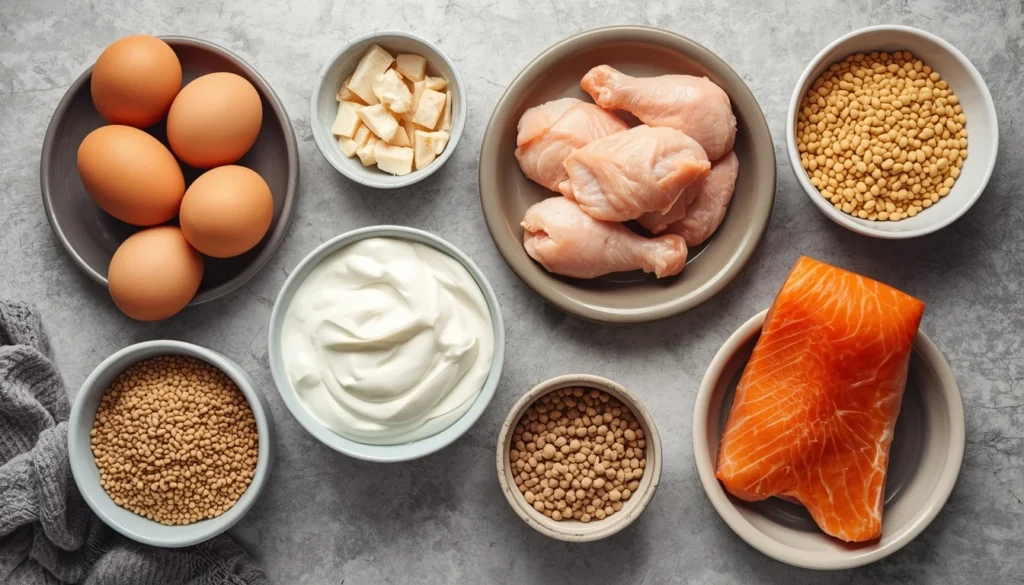
If you’ve ever stood in front of your fridge wondering what to eat to actually support your training, you’re not alone. Building muscle isn’t complicated in theory, but figuring out real meals — ones you’ll actually enjoy and stick with — is where most people get stuck. That’s exactly what High Protein Meals for Muscle Building guide is for.
High protein meals for muscle building don’t need to be bland chicken and rice on repeat. Whether you’re new to strength training or you’ve been lifting for a while and want better results, this guide gives you practical, realistic meals using foods you can find at any grocery store. No extremes, no guesswork, just food that works with your training.
Table of Contents : High Protein Meals For Muscle Building
How Protein Supports Muscle Repair and Growth
When you lift weights, you create tiny amounts of stress and damage in your muscle fibers. That’s a normal, expected part of training — it’s not something to fear. Your body responds by repairing those fibers, and over time, with the right stimulus, they adapt and grow slightly stronger and larger.
Protein is the raw material for that repair work. It breaks down into amino acids, which your body uses to rebuild muscle tissue. Without enough protein coming in regularly, that repair process has less to work with, which can slow down progress even if your training is solid.
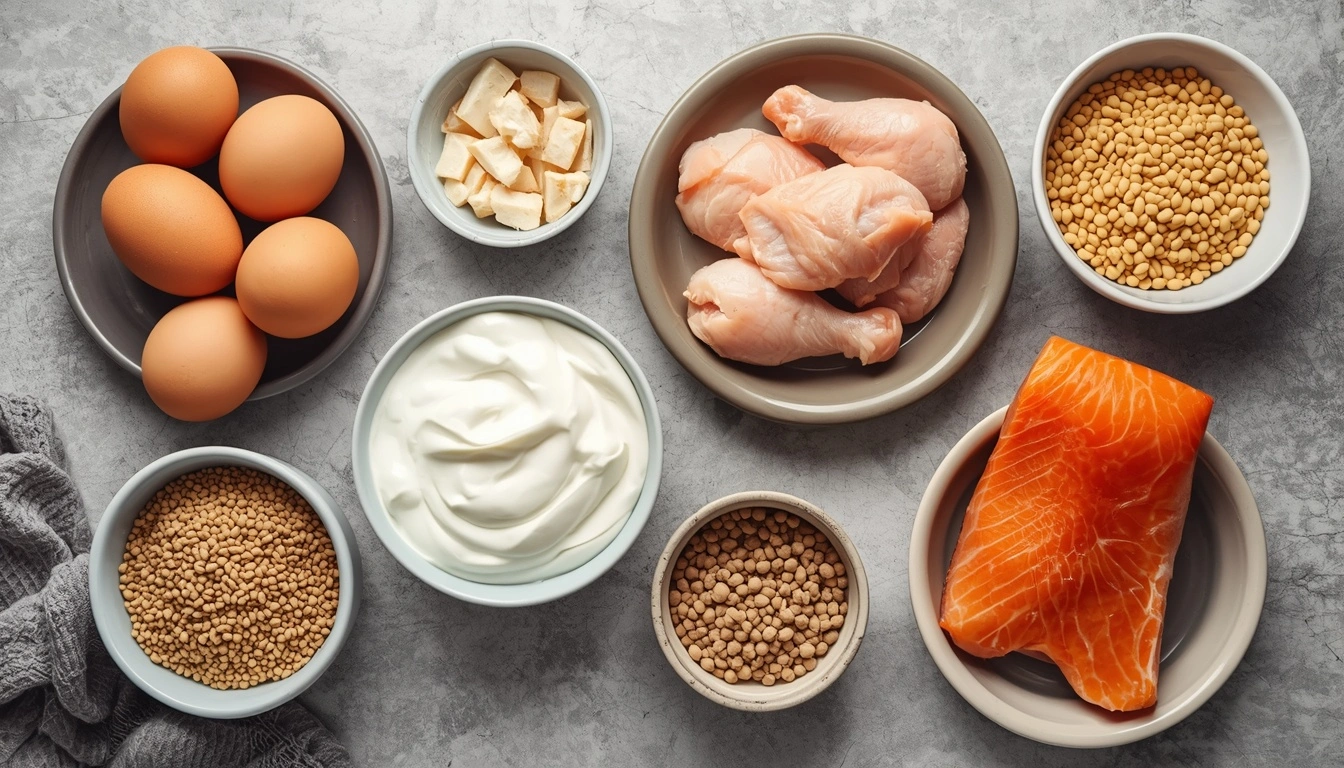
This is why high protein meals for muscle building matter so much. It’s not about one perfect meal — it’s about giving your body consistent building blocks, meal after meal, day after day.
You May Also Like: Pre Workout Nutrition: What to Eat Before the Gym (Plus Where Thavage Pre Workout Fits In)
Protein Alone Won’t Do the Job
Here’s something worth saying clearly: protein is important, but it’s not magic. Muscle growth depends on several things working together, and protein is just one piece.
- Total calories — you generally need to eat enough overall, since being in a significant calorie deficit can make it harder to build muscle.
- Carbohydrates — they fuel your workouts and help replenish energy stores so you can train hard again.
- Healthy fats — needed for hormone production and overall health.
- Hydration — supports digestion, muscle function, and recovery.
- Sleep — much of your recovery and repair happens while you rest.
- Resistance training — the actual stimulus that tells your body to build muscle in the first place.
If any of these are consistently missing, protein intake alone won’t make up the difference. Think of it less like a magic ingredient and more like one dependable teammate on a bigger squad.
How Much Protein Do You Actually Need?
A commonly used general guideline for people doing regular strength training is roughly 0.7 to 1 gram of protein per pound of body weight per day (about 1.6 to 2.2 grams per kilogram). So someone who weighs 150 pounds might aim for somewhere around 105 to 150 grams daily, spread across high protein meals for muscle building throughout the day.
That’s a starting point, not a strict rule. Your actual needs depend on your body weight, age, training experience, activity level, goals, and any health conditions you have. If you have a medical condition, are pregnant or nursing, or you’re unsure what’s right for you, it’s worth checking in with a doctor or registered dietitian who can look at your specific situation before building a full plan of high protein meals for muscle building around this number.
Now let’s get into the meals — starting with a high protein breakfast for muscle gain, which should probably be one of your most important meals of the day.
High Protein Breakfast for Muscle Gain
Breakfast sets the tone for your protein intake, especially if you’ve gone 7-8 hours without eating overnight. A high protein breakfast for muscle gain helps kickstart the repair process and keeps you fuller for longer, which can make the rest of the day easier to manage.
1. Veggie Egg Scramble with Greek Yogurt
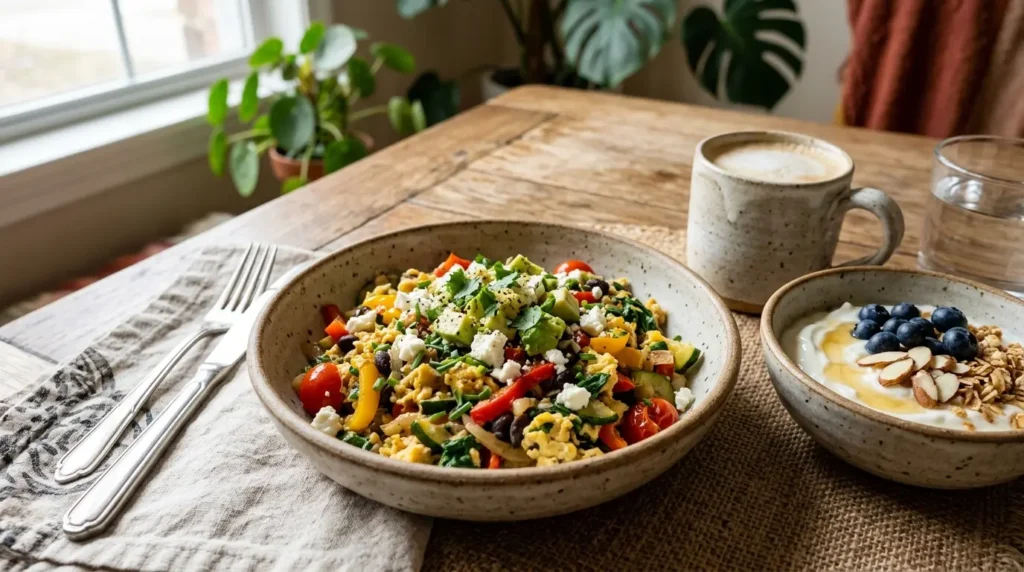
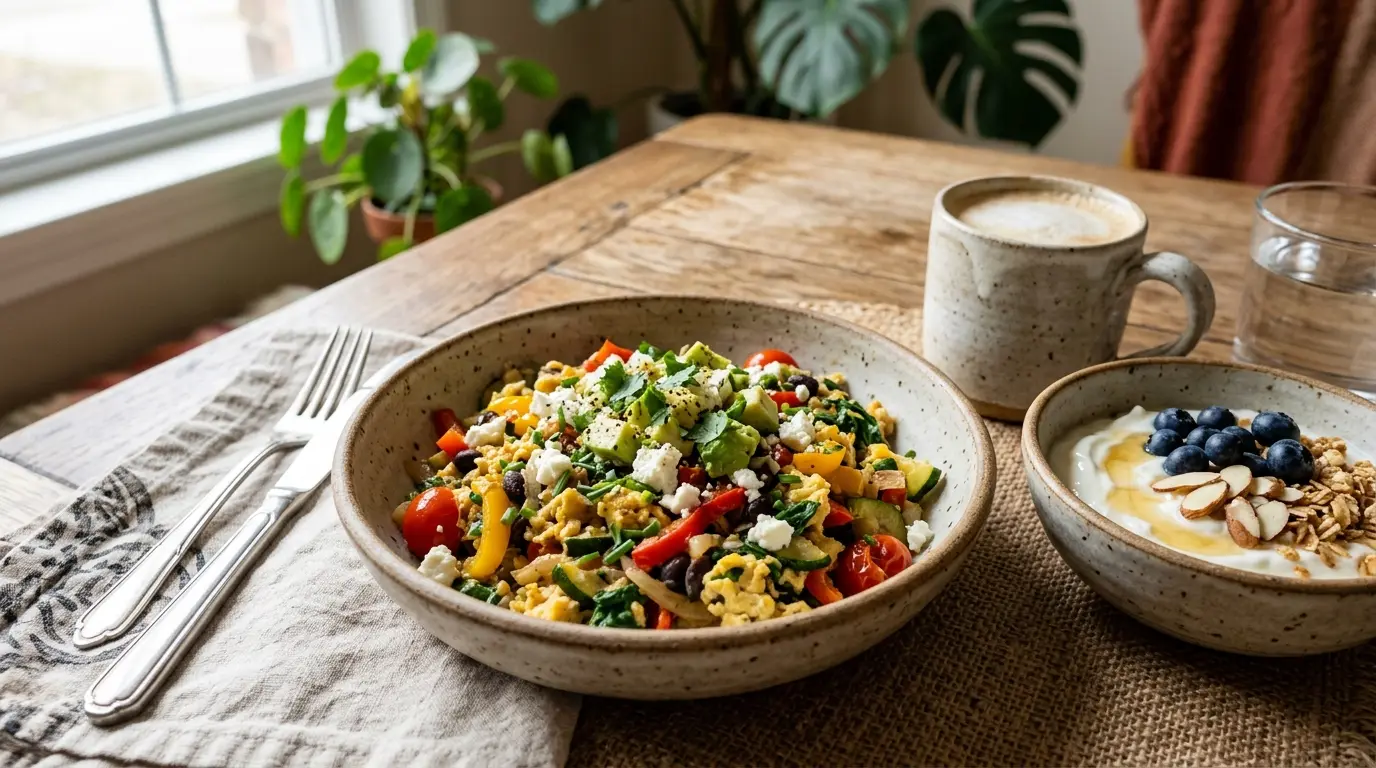
Main ingredients: 3 whole eggs, 2 egg whites, spinach, bell peppers, ½ cup plain Greek yogurt on the side Approximate protein: ~35g per serving Prep: Whisk eggs and egg whites, sauté vegetables for 2-3 minutes, add eggs and scramble until set. Serve with Greek yogurt on the side. Why it works: Eggs offer complete protein along with useful nutrients, and Greek yogurt adds extra protein without much extra effort. Budget swap: Use whole eggs only if egg whites aren’t available, or swap Greek yogurt for regular yogurt with a bit less protein.
2. Oats with Whey Protein and Peanut Butter
Main ingredients: ½ cup rolled oats, 1 scoop whey protein, 1 tablespoon peanut butter, milk of choice Approximate protein: ~30g per serving Prep: Cook oats with milk, stir in protein powder once slightly cooled, top with peanut butter. Why it works: This pairs slow-digesting carbs with fast-absorbing protein, giving you steady energy and a solid protein hit in one bowl. Budget swap: No whey powder on hand? Use extra milk and a spoon of peanut butter for a smaller but still useful protein boost. Get all the ingredients for this high-protein bowl of oats, whey protein, and peanut butter directly on Amazon
.
3. Cottage Cheese Toast with Egg
Main ingredients: Whole grain toast, ½ cup cottage cheese, 1 fried or boiled egg, tomato slices Approximate protein: ~28g per serving Prep: Toast the bread, spread cottage cheese on top, add egg and tomato slices. Why it works: Cottage cheese is often overlooked, but it’s genuinely one of the more protein-dense, budget-friendly foods around. Budget swap: Paneer works well in place of cottage cheese if that’s easier to find near you.
High-Protein Lunch Ideas
Lunch is a good opportunity to combine protein-rich foods with vegetables and carbohydrates for a genuinely balanced meal.
4. Grilled Chicken and Rice Bowl
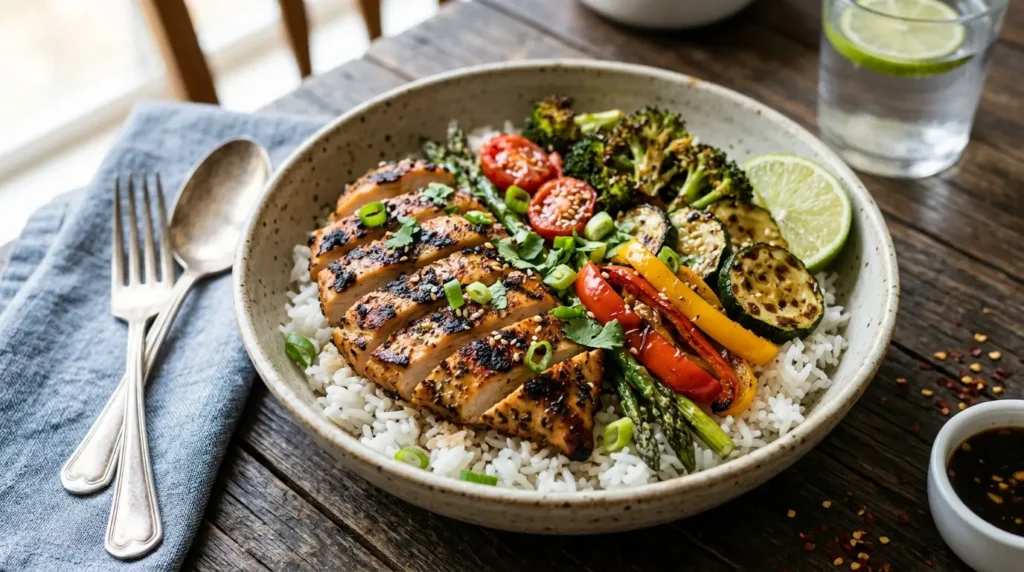
Main ingredients: 150g grilled chicken breast, 1 cup cooked rice, mixed vegetables, olive oil drizzle Approximate protein: ~40g per serving Prep: Grill or pan-sear seasoned chicken, serve over rice with sautéed or steamed vegetables. Why it works: A reliable combination of lean protein and carbohydrates that supports muscle recovery and refuels your energy stores. Budget swap: Chicken thighs are usually cheaper than breast and still deliver solid protein.
5. Tuna and Chickpea Salad
Main ingredients: 1 can tuna, ½ cup chickpeas, mixed greens, olive oil and lemon dressing Approximate protein: ~35g per serving Prep: Drain tuna, toss with chickpeas and greens, dress with olive oil and lemon juice. Why it works: Combines animal and plant protein sources, plus canned tuna is an inexpensive way to add protein-rich foods to your week. Budget swap: Canned salmon or leftover cooked chicken can replace tuna.
High-Protein Dinner Ideas
Dinner is a great place to focus on quality protein alongside vegetables, especially if your earlier meals were lighter.
6. Baked Salmon with Sweet Potato
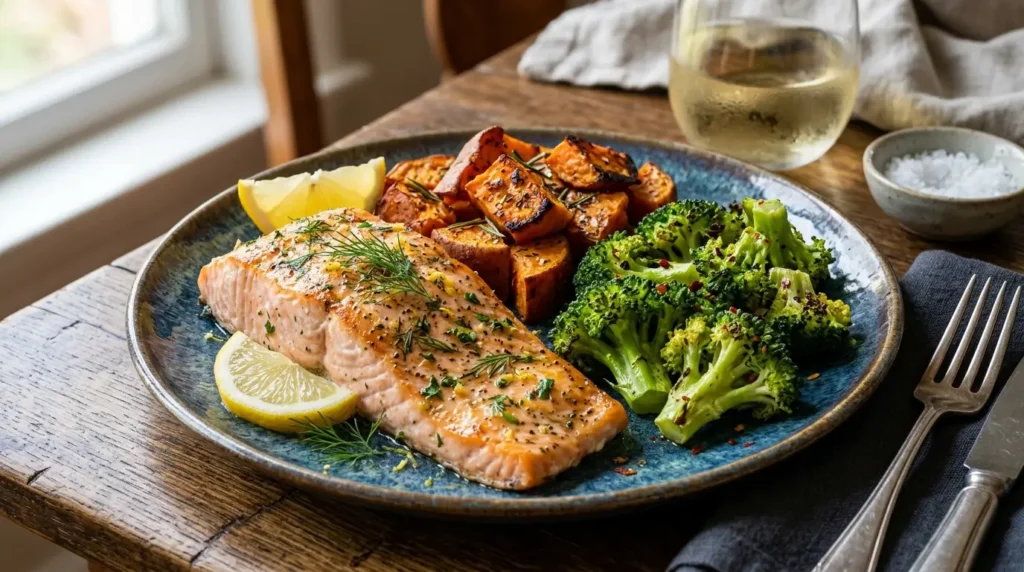
Main ingredients: 150g salmon fillet, 1 medium sweet potato, steamed broccoli Approximate protein: ~34g per serving Prep: Bake salmon at 400°F for 12-15 minutes, roast or microwave sweet potato, steam broccoli. Why it works: Salmon offers protein plus healthy fats, supporting both muscle recovery and overall health. Budget swap: Any firm white fish or canned salmon works as a more affordable substitute.
7. Lentil and Paneer Curry with Rice
Main ingredients: 1 cup cooked lentils, 100g paneer, tomatoes, onions, spices, 1 cup rice Approximate protein: ~32g per serving Prep: Cook lentils with spices and tomato-onion base, add cubed paneer near the end, serve over rice. Why it works: Lentils and paneer together create a strong plant-and-dairy protein combination that’s naturally filling. Budget swap: Tofu can replace paneer for a lower-fat, dairy-free option.
Post-Workout Meals for Muscle Recovery
Eating protein and carbohydrates after training helps support recovery and replenish the energy you used during your session.
8. Chicken, Rice, and Vegetable Stir-Fry
Main ingredients: 150g chicken breast, 1 cup rice, mixed stir-fry vegetables, soy sauce Approximate protein: ~38g per serving Prep: Stir-fry chicken and vegetables together, serve over rice with a light soy sauce. Why it works: A quick combination of protein and carbs that’s easy to prepare after a workout when you don’t feel like cooking much. Budget swap: Frozen stir-fry vegetable mixes cut prep time and cost.
9. Protein Smoothie with Banana and Oats
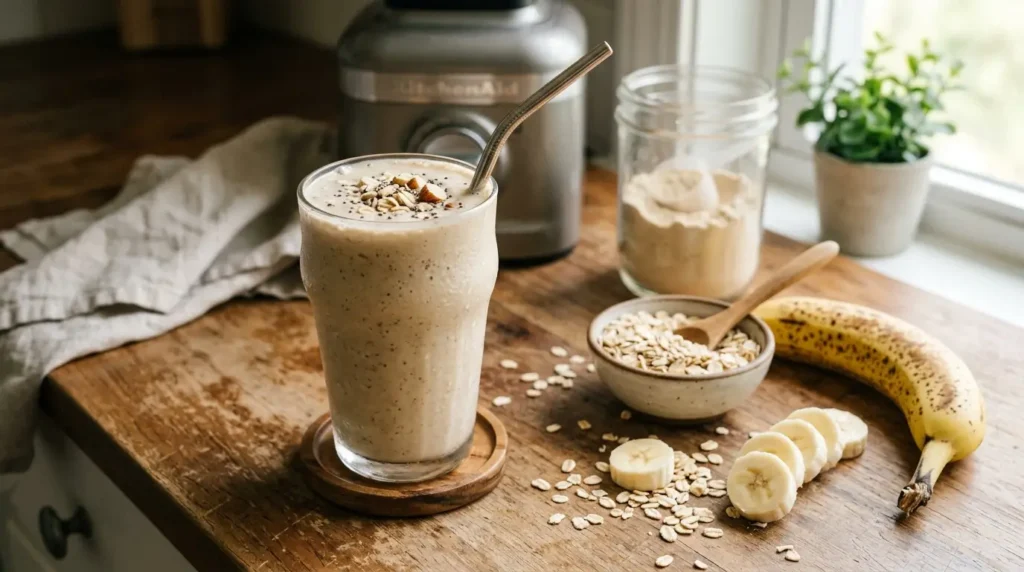
Main ingredients: 1 scoop whey or plant protein, 1 banana, ½ cup oats, milk, ice Approximate protein: ~30g per serving Prep: Blend all ingredients until smooth. Why it works: Easy to drink post-workout when solid food feels heavy, and provides fast protein plus carbs for recovery. Budget swap: Skip the protein powder and use extra milk plus a spoon of peanut butter instead.
High-Protein Snacks
Snacks are an easy, low-effort way to add more protein throughout your day.
10. Greek Yogurt with Nuts and Honey
Main ingredients: 1 cup Greek yogurt, 1 tablespoon mixed nuts, drizzle of honey Approximate protein: ~20g per serving Prep: Combine and eat — no cooking required. Why it works: A convenient, minimal-effort snack that’s genuinely satisfying and protein-rich. Budget swap: Plain yogurt with a spoon of peanut butter is a cheaper alternative. Greek Yogurt with Nuts and Honey—if you need all the ingredients, check here!
11. Boiled Eggs with Roasted Chickpeas
Main ingredients: 2 boiled eggs, ½ cup roasted chickpeas Approximate protein: ~19g per serving Prep: Boil eggs ahead of time, roast chickpeas with a bit of oil and salt at 400°F for 20 minutes. Why it works: Both foods travel well, making this a solid grab-and-go option for busy days. Budget swap: Canned chickpeas work fine without roasting if you’re short on time.
Vegetarian High-Protein Meals
Plant-based eaters can absolutely hit their protein goals with the right combinations.
12. Tofu Stir-Fry with Quinoa
Main ingredients: 200g firm tofu, 1 cup cooked quinoa, mixed vegetables, soy sauce Approximate protein: ~28g per serving Prep: Press and cube tofu, pan-fry until golden, stir-fry with vegetables, serve over quinoa. Why it works: Tofu and quinoa together create a complete plant protein source that supports lean muscle growth. Budget swap: Rice can replace quinoa if it’s more accessible or affordable.
13. Chickpea and Spinach Dal with Roti
Main ingredients: 1 cup chickpeas, spinach, tomatoes, spices, 2 whole wheat rotis Approximate protein: ~24g per serving Prep: Simmer chickpeas with spices and tomatoes, stir in spinach near the end, serve with roti. Why it works: A filling, budget-friendly meal that combines legumes and whole grains for well-rounded plant protein. Budget swap: Any bean, like kidney beans or black beans, can replace chickpeas.
Meal Timing: Pre-Workout, Post-Workout, and Evening
Timing matters less than most people assume, but a few habits can genuinely help:
- Pre-workout (1-2 hours before): A meal with moderate protein and carbs, like oats with a scoop of protein, gives you steady energy.
- Post-workout (within a couple of hours): A protein and carbohydrate-rich meal supports muscle recovery and replenishes energy stores.
- Evening: A protein-containing meal or snack, such as Greek yogurt or cottage cheese, can support overnight recovery while you sleep.
Consistency across the whole day matters more than hitting an exact window, so don’t stress over precise timing.
A Simple One-Day High-Protein Meal Plan
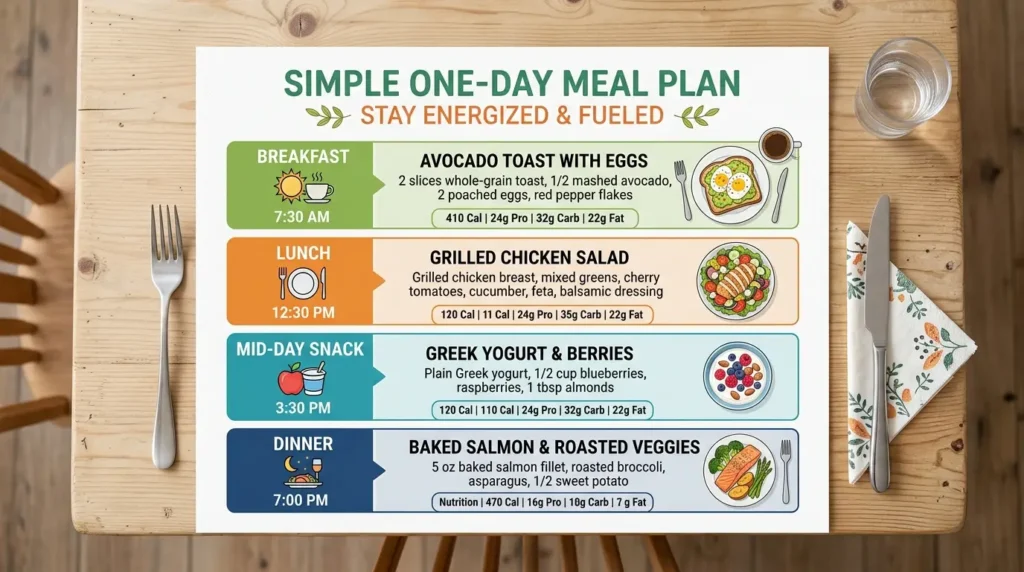
| Meal | Example | Approx. Protein |
|---|---|---|
| Breakfast | Veggie egg scramble with Greek yogurt | ~35g |
| Snack | Boiled eggs with roasted chickpeas | ~19g |
| Lunch | Grilled chicken and rice bowl | ~40g |
| Post-Workout | Protein smoothie with banana and oats | ~30g |
| Dinner | Baked salmon with sweet potato | ~34g |
This adds up to roughly 158g of protein for the day — adjust portions up or down based on your own body weight and goals.
Meal Prep Tips for Busy People
- Cook proteins like chicken, tofu, or lentils in bulk once or twice a week.
- Pre-portion snacks like boiled eggs or roasted chickpeas into containers.
- Keep frozen vegetables on hand to cut prep time.
- Use a rice cooker or slow cooker to handle carbs while you focus on other tasks.
- Batch-cook one sauce or spice base and reuse it across different meals to avoid monotony.
How to Add More Protein Without Making Meals Boring
- Mix protein sources within the same meal, like eggs and Greek yogurt, or chicken and lentils.
- Rotate seasonings and cuisines so the same base ingredients feel different each time.
- Add protein powder to oats, pancakes, or smoothies for an easy boost.
- Use sauces, herbs, and marinades generously — flavor is what keeps meals sustainable long-term.
Common Mistakes That Slow Down Progress
- Relying only on supplements instead of building meals around whole, protein-rich foods.
- Ignoring total calories, since undereating overall can limit muscle-building progress even with enough protein.
- Eating too little protein by underestimating portion sizes.
- Skipping carbohydrates entirely, which can leave you low on training energy.
- Inconsistency, since occasional high-protein days don’t add up to much without regular habits.
FAQ: High Protein Meals for Muscle Building
1. How many high protein meals should I eat per day? Most people do well spreading protein across 3-5 meals or snacks daily, rather than trying to get it all in one sitting.
2. Can I build muscle on a vegetarian diet? Yes. Combining foods like lentils, chickpeas, tofu, paneer, dairy, and eggs (if included) can provide enough protein for muscle building.
3. Is a high protein breakfast for muscle gain really necessary? It’s not mandatory, but starting the day with protein can help you feel fuller and makes it easier to hit your daily protein target.
4. Do I need protein powder to build muscle? No. Protein powder is convenient, but whole foods like eggs, dairy, meat, fish, and legumes can fully meet your protein needs.
5. How much protein is too much? There isn’t one universal number, and needs vary by individual. If you have kidney concerns or other health conditions, talk to a doctor before significantly increasing protein intake.
6. Will eating more protein alone make me gain muscle? No. Muscle growth also requires resistance training, adequate total calories, and recovery like sleep.
7. Can I meal prep high-protein meals in advance? Yes, most of the meals in this guide store well in the fridge for 3-4 days, making them practical for batch cooking.
8. What are the best high protein meals for muscle building on a budget?
Eggs, canned tuna, lentils, chickpeas, cottage cheese, and paneer are some of the most affordable options. Many of the high protein meals for muscle building in this guide are built around these exact ingredients, so eating well doesn’t have to mean spending a lot.
9. What should I eat if I don’t have time to cook a high protein breakfast for muscle gain?
A quick smoothie with protein powder, milk, and a banana takes under five minutes and still counts as a solid high protein breakfast for muscle gain. Overnight oats prepped the night before work well too, especially if mornings are tight.
Final Thoughts
Building muscle is a gradual process, and there’s no single meal or trick that speeds it up on its own. What actually works is showing up consistently — training regularly, eating enough protein-rich foods across the day, and giving your body the calories, carbs, fats, sleep, and recovery it needs to adapt.
These high protein meals for muscle building are meant to make that consistency easier, not more complicated. Start with a few that sound realistic for your schedule and budget, and build from there.
If you’d like more practical guides on training, nutrition, and recovery, explore more resources on BodyLix.com to keep building sustainable habits that actually fit your life.
Read Also: 15 Best Foods for Weight Loss Over 40 (That Actually Work)

Fitness Specialist & Former Tactical Trainer
Bal Krishna Poudel has spent more than 19 years in law enforcement organization, and fitness has been at the center of it all. He knows physical conditioning, dynamic strength training, and everyday wellness inside and out. For close to two decades, he taught at official police training centers, getting officers ready for the physical demands of the job—building their endurance and operational fitness. These days, he coaches people in his local community on strength and fitness. At 49, he doesn’t just talk about staying active—he lives it, showing up every day to train and move. He writes for Bodylix, where he shares workouts and nutrition advice that regular readers can actually use, backed by science and built around one goal: helping people stay strong and healthy for the long haul.

4 Responses