
Free 7 Day Diet Plan for Diabetic Patients (Simple, Sourced, Doctor-Friendly)
Blood sugar came back high. Now what. The food questions land fast, and they land all at once: what’s for dinner tonight, is rice gone forever, can you still go to your cousin’s wedding dinner next month. Most pages hand you a list of banned foods and wish you luck. This one gives you an actual week you can start Monday morning, plus the reasoning underneath it, so later on you can swap meals in and out without wrecking the whole pattern.
This guide walks through the plate method, a full week of meals built for international kitchens, honest swaps for rice and roti, and what to actually limit. By the end you’ll have a system, not just a list of forbidden foods.
What is a 7 day diet plan for diabetic patients?
Not a prescription. That’s the first thing to get straight. A 7 day diet plan for diabetic patients is really just a week of pre-planned meals and snacks that keep carbohydrate portions steady, fibre high, and added sugar low, so your blood glucose has fewer big swings to deal with. Think of it as training wheels, not a rulebook carved in stone.
The ADA’s own guidance backs that up, actually. There’s no single “diabetic diet” that works for every person with diabetes, and their advice is to work with your care team to land on one of several recognised eating patterns that fits your actual life, not someone else’s. A simple diabetic meal plan you’ll keep doing beats a perfect one that dies on a Wednesday.
We built this one for adults with type 2 diabetes or prediabetes who want a free diabetes diet plan and no special ingredients, no subscription, nothing to sign up for. It also holds up if you’re cooking one meal for the whole family, which is, let’s be honest, half the actual battle for most people managing this.
Why does diet matter so much for diabetes?
Food is the biggest daily lever you control. Carbohydrates raise blood glucose most directly, so how much you eat, what kind, and when, shapes your readings more than almost any supplement or trending “superfood” ever will.
And the numbers behind this are enormous. The International Diabetes Federation’s 11th Diabetes Atlas estimates that 589 million adults aged 20 to 79 were living with diabetes globally in 2024, roughly one in nine, with the figure projected to reach 853 million by 2050. About 252 million of those people don’t yet know they have it. Over 90% of cases are type 2, the kind most directly shaped by what’s on the plate, and researchers point to urbanisation, an ageing population, less physical activity, and rising obesity as the main drivers behind that rise.
Most of those adults, roughly four in five, live in low- and middle-income countries. That’s exactly why we built this plan around cheap, widely available staples instead of imported “diabetic” products with a premium price tag and a dubious health claim on the label.
How does the plate method work?
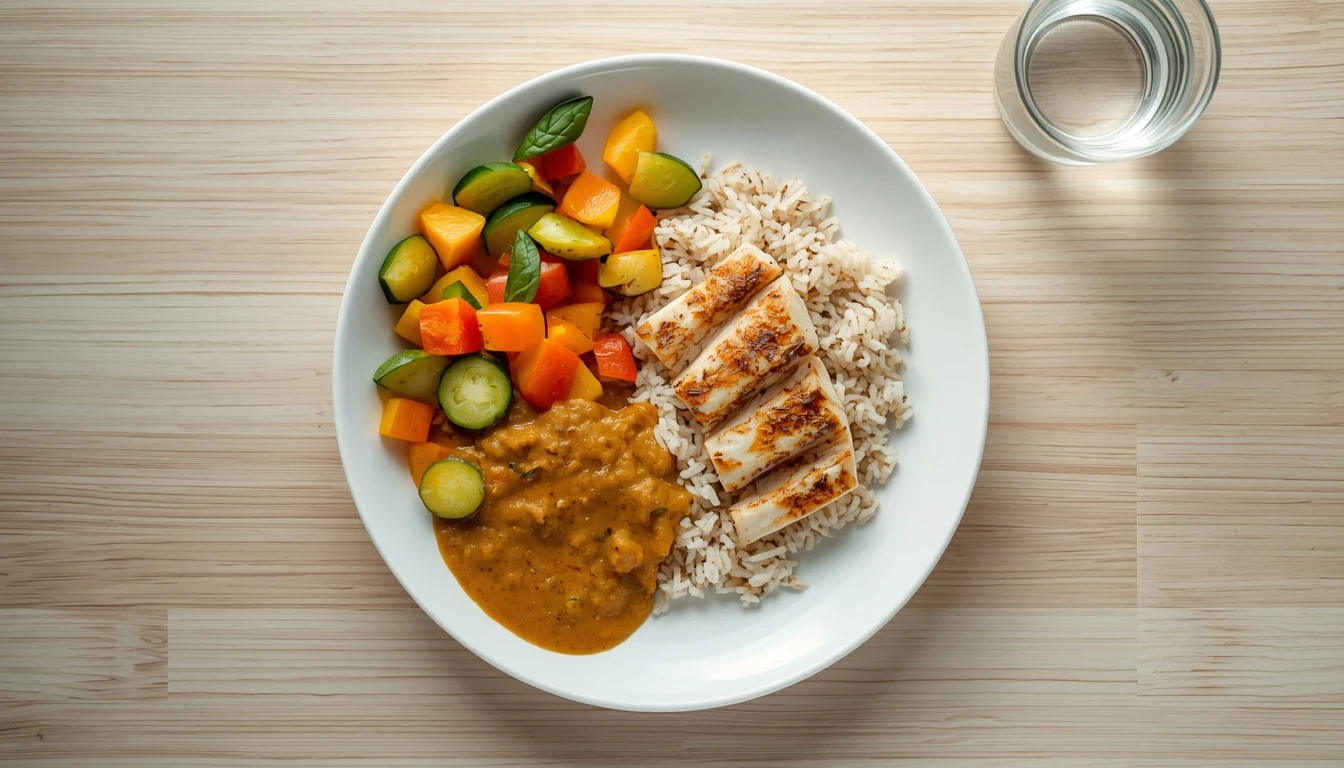
Grab a 9-inch plate. That’s the whole tool, no app to download. The American Diabetes Association built this method around one visual: half the plate is non-starchy vegetables, one quarter is protein, one quarter is carbohydrate food. Draw the lines in your head and you’re basically done.
Non-starchy vegetables means spinach, broccoli, tomatoes, cabbage, okra, cauliflower, peppers, and similar. The carbohydrate quarter covers whole grains, beans and lentils, starchy vegetables like potato and peas, and fruit or dairy if your plan includes them.
We like this method better than gram-counting for anyone just starting out. It fails gracefully. Even eyeball it wrong on a given night, and you’ve still eaten more vegetables and less starch than you would have otherwise. That’s a win you don’t get from a rigid macro spreadsheet nobody sticks with past week two.
Your free 7 day diet plan for diabetic patients
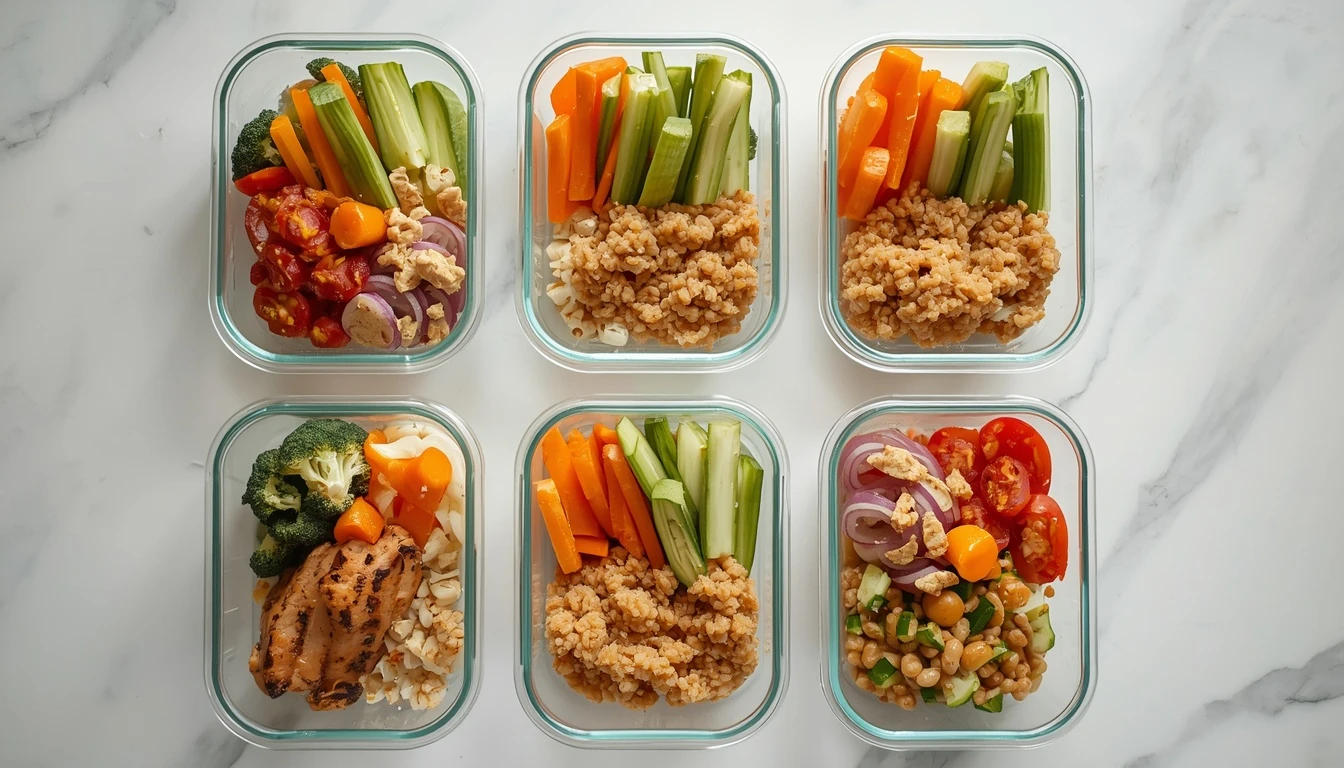
This is the part everyone actually wants, so here it is. Every main meal follows the plate method described above: vegetables first, then protein, then a modest carbohydrate portion. Snacks are optional and small.
| Day | Breakfast | Lunch | Dinner | Snack |
|---|---|---|---|---|
| 1 | Two-egg omelette with spinach and tomato, one slice whole-grain toast | Grilled chicken, large salad, ½ cup cooked brown rice | Lentil soup with sautéed greens, one small roti | Small handful of almonds |
| 2 | Oats cooked with cinnamon and chia, a few berries | Chickpea, tomato, and cucumber salad with olive oil and lemon, one whole-wheat pita | Baked fish, roasted broccoli and cauliflower, small baked sweet potato | Carrot and cucumber sticks with hummus |
| 3 | Plain yogurt with walnuts and apple slices | Tofu or paneer stir-fry with mixed vegetables, ½ cup brown rice | Chicken or bean soup packed with vegetables, side salad | One boiled egg |
| 4 | Besan (chickpea flour) pancake stuffed with onion and peppers | Small bowl of rajma (kidney beans), cabbage salad, ½ cup rice | Grilled fish or tofu with sautéed green beans | One small guava or orange |
| 5 | Whole-grain toast with mashed avocado and a poached egg | Turkey or bean wrap with a big side of salad | Okra and cauliflower curry with tofu, ½ cup quinoa or brown rice | Roasted chickpeas |
| 6 | Scrambled eggs or tofu with peppers, ½ cup beans | Big mixed salad with tuna or chickpeas, olive oil dressing, small whole-grain roll | Baked chicken with cucumber raita and sautéed greens | A small pear |
| 7 | Moong dal pancake with mint chutney | Dal, mixed vegetable curry, ½ cup rice, salad | Vegetable soup, grilled paneer or chicken, side salad | Small handful of unsalted peanuts |
Portion cues assume the plate method above; “salad” and “vegetables” should fill roughly half the plate. Fruit counts as carbohydrate, not a free extra.
Shopping stays simple because the week reuses ingredients on purpose. Eggs, lentils or chickpeas, oats, plain yogurt, leafy greens, cabbage, tomatoes, onions, one fish or chicken, and a bag of brown rice cover most of it. You won’t need a specialty aisle.
Here’s an honest opinion: don’t chase variety in week one. Repeating breakfast five days straight is fine, and it actually makes it easier to notice what your body does with that specific meal before you start swapping things.
The Prediabetes Diet Plan
If this week goes well and you want more structure beyond seven days, this book expands the same plate-method thinking into a longer program with full recipes, so you’re not rebuilding a new week from scratch every Sunday.
| Pros | Cons |
|---|---|
| Gives you weeks of ready-made structure instead of one | A book, not a personalised plan from your own dietitian |
| Useful once you know which foods you tolerate well | Recipes may need local ingredient swaps depending on where you live |
| Good next step after this free week | Not a substitute for medical guidance if you’re on insulin |
Which foods work best in a diabetic diet?
Vegetables, beans, whole grains, eggs, fish, plain dairy, nuts. Nothing exotic. What these have in common is fibre or protein riding alongside the carbohydrate, which slows the whole thing down instead of letting sugar hit your bloodstream in one shot. If you want the deeper mechanics of why fibre matters this much, our high-fibre diet plan goes further into it than we have room for here.
Vegetables come first. Always. Leafy greens, okra, cabbage, cauliflower, peppers, whatever’s cheapest at your market this week. If you only change one thing, double your vegetables at lunch and dinner and leave everything else exactly as it is.
Beans, lentils, and chickpeas do more work than people give them credit for. Yes, they count as carbohydrate, so they live in your carb quarter. But they drag fibre and protein along with them, and a bowl of dal next to a small scoop of rice behaves nothing like rice eaten alone. Genuinely nothing like it.
Eggs, fish, chicken, tofu, paneer, that’s your protein lineup. Fish earns a couple of slots a week specifically, diabetes already raises cardiovascular risk, and oily fish is standard heart-health advice regardless of your glucose numbers. Sardines and mackerel are usually the cheap way in. If building muscle or staying full longer is also part of your goal, our high-protein meal ideas pair well with this plate structure.
Fat’s the quiet one. Olive oil, nuts, seeds, avocado, all better bets than butter by the spoonful or a deep fryer. Keep it small, it’s calorie-dense, and “a handful” of almonds means an actual handful, not the bag while a show’s on.
Cooking mostly plant-based this week, or trying to on a tight budget? Our plant-based diet on a budget guide covers the same staples, dal, chickpeas, oats, without the meat and fish swaps.
What can you swap if you don’t eat these foods?
You can swap any meal for another doing the same job: a protein source, a big helping of vegetables, and one portion of high-fibre carbohydrate. That’s the entire trick, and once it clicks, meal planning stops feeling like homework.
- No eggs? Try tofu scramble, moong dal pancakes, or plain yogurt with seeds.
- Vegetarian all week? Lentils, chickpeas, paneer, and tofu do the protein work just fine.
- White rice is your staple and you’re not giving it up. Keep it, but shrink it to a quarter of the plate and load the rest with vegetables and dal. Brown rice, millet, or barley are worth trying if you enjoy the taste.
- Roti or chapati: whole-wheat or mixed-grain versions, one or two pieces, not a stack.
- Bread at breakfast? Whole-grain, paired with egg or avocado, never jam.
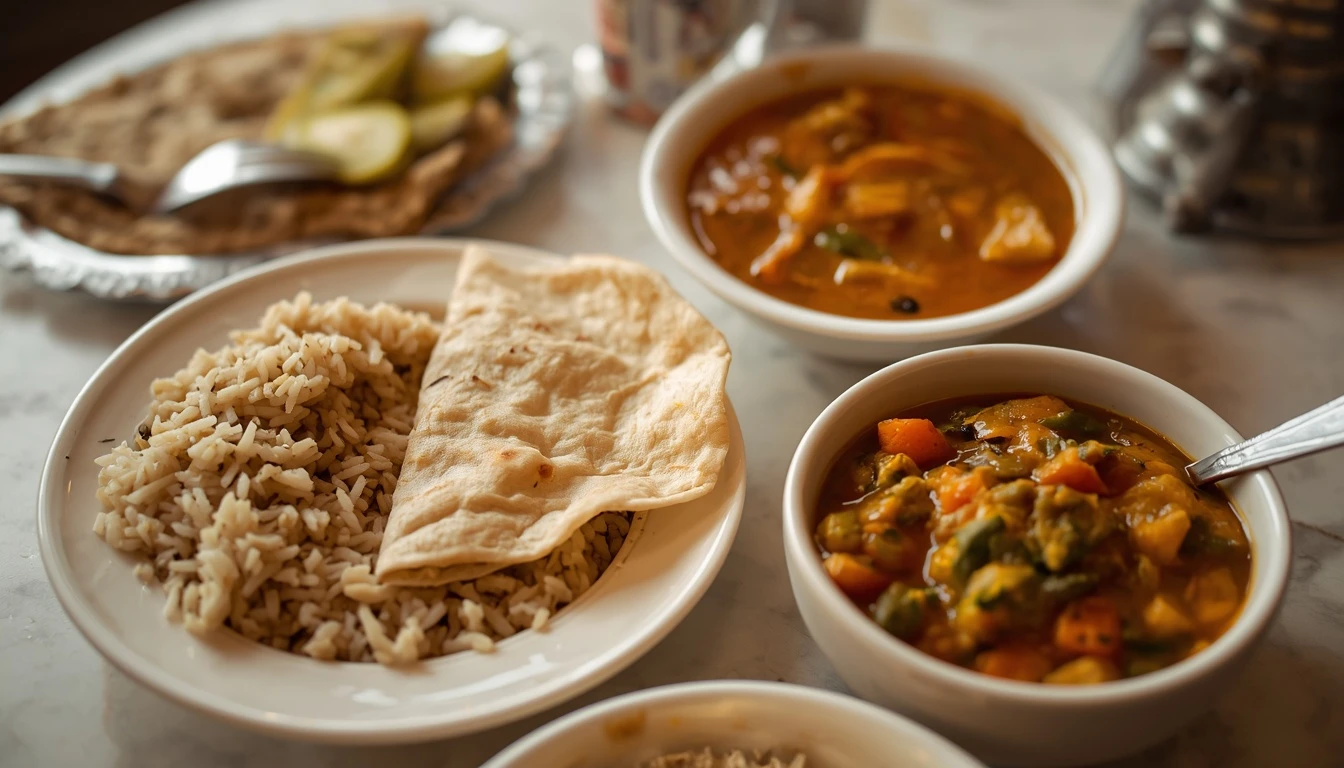
Cutting rice and roti out completely is, in my experience, usually a mistake. It holds for about a week. Then dinner with family turns into a small daily fight, and people quit the whole plan out of frustration, not because the food itself was ever the problem. Smaller portions of what you actually love beat a total ban almost every time.
What foods should diabetic patients limit?
Sugary drinks, fruit juice, sweets, white bread, pastries, anything deep-fried. You already knew most of this list before reading it. The reason still matters though: these raise blood glucose fast, or pile on calories with almost no fibre to slow anything down.
The World Health Organization puts a number on it: keep free sugars under 10% of total daily energy, and dropping below 5%, roughly 25 grams or six teaspoons a day, brings extra benefit on top of that. Free sugars means table sugar, honey, syrups, and the sugar sitting in fruit juice. On a 2,000-calorie day, 10% lands around 50 grams. Most people managing diabetes end up aiming lower than that anyway.
Alcohol gets its own warning here. It can drop blood sugar in people on insulin or certain tablets, especially on an empty stomach, so don’t guess. Ask your doctor what’s actually safe for your situation before assuming a “normal” drink applies to you too.
One more thing. “Sugar-free” and “diabetic-friendly” on a package usually just mean the sugar got swapped for refined flour or extra fat. It’s a label, not a guarantee. Real food, most of the time, still wins.
What if you eat out or have a chaotic day?
Restaurants don’t ruin this plan. Bad decisions on autopilot do. The plate method still applies wherever you’re eating: ask for extra vegetables, keep the starch to a quarter of the plate, pick grilled, baked, or steamed protein over anything fried.
Restaurants and family gatherings are where most plans fall apart, so decide a little before you walk in the door. Eat your normal breakfast and lunch instead of “saving up” hunger for the big meal. Skipping earlier meals to make room tends to end with a bigger plate of exactly the starchy stuff you were trying to limit.
At a buffet, walk the whole line before touching a plate. Vegetables and protein go on first, and rice or naan get whatever space is left over, not the other way around. Sweet drinks are the single easiest swap available: water, plain soda water, or unsweetened tea.
On genuinely chaotic days, a boiled egg, a piece of fruit, and a small handful of nuts is a perfectly fine emergency meal. No plan survives every day intact, and that’s fine. What actually matters is the next meal, not this one.
How do you start a simple diabetic meal plan, step by step?
Here’s a simple framework to actually use a diabetic meal plan daily, instead of collecting data nobody looks at again.
- Show this plan to your doctor or dietitian. If you take insulin or glucose-lowering tablets, ask whether doses need adjusting before you shift your meals.
- Pick a start day and do one shop for the whole week rather than daily trips.
- Use a 9-inch plate. Fill half with vegetables first, then protein, then your carb quarter.
- Eat at roughly the same times each day. Long gaps followed by huge meals make readings jumpy and unpredictable.
- If you test at home, check before and about two hours after one or two meals a day, and jot the number next to what you ate.
- After two weeks, look for patterns. Does oats spike you but eggs don’t? That’s genuinely useful information to bring to your next appointment.
Build your plate: what does the portion actually look like?
A simple visual guide based on the ADA plate method, scaled by plate size. Not a substitute for a dietitian’s carbohydrate targets.
One free extra: a ten-minute walk after your biggest meal is something diabetes care teams commonly suggest, since movement helps your muscles pull in glucose right after eating. Ask yours whether it suits you, especially if you’re on insulin. If walking isn’t your thing, or you’d rather do something at home in ten minutes, our beginner home workouts guide has options that need zero equipment and zero gym membership.
Picture a man in his fifties who eats a big rice-and-curry lunch, then wonders why he’s wiped out by 3 pm most days. When he halves the rice and doubles the vegetables and dal instead, that crash often eases within a week or two. Small portion changes like that are exactly what this plan is built to test.
Medical Alert ID Bracelet, Diabetes
This is an identification accessory, not a monitoring device, it doesn’t read or track glucose. It engraves “diabetes” or “type 2 diabetic” along with an emergency contact, so if you’re ever found unresponsive, first responders know to check your blood sugar first. Worth it if you’re on insulin or have had a severe low before.
| Pros | Cons |
|---|---|
| Fast, simple safety signal for paramedics | No monitoring function, purely identification |
| One-time purchase, no charging or app required | Engraving details are fixed once ordered |
| Useful for anyone on insulin or with hypo history | Skip if you don’t currently take insulin or glucose-lowering meds |
Quick answers
Can a free 7 day diet plan for diabetic patients replace medical advice?
No. A free plan gives you a sensible starting structure, but your carb targets, calorie needs, and medication timing are personal. If you take insulin or glucose-lowering tablets, changing your meals can cause lows, so show this plan to your doctor or dietitian before you start.
What is the best breakfast for a diabetic?
Protein plus fibre tends to work best: eggs with vegetables, plain yogurt with nuts and berries, or oats with chia and cinnamon. These generally raise blood sugar more slowly than sweetened cereal, white toast, or juice, though individual response varies.
Can diabetics eat rice and roti?
Yes, in controlled portions. Fill half your plate with non-starchy vegetables, keep rice or roti to about a quarter, and choose brown rice or whole-wheat versions when you can. Pairing them with dal or protein slows the meal down.
How many carbs should a diabetic eat per meal?
There’s no single number that fits everyone. Targets depend on weight, activity, medication, and glucose readings, so a dietitian should set yours. The plate method is a practical stand-in: about a quarter of the plate as carbohydrate, vegetables and protein filling the rest.
Is this simple diabetic meal plan suitable for type 1 or gestational diabetes?
Not without guidance. Type 1 diabetes usually involves insulin doses matched to carbohydrates, and pregnancy has its own nutrition needs. The ideas here are generally healthy, but get a personalised plan from your diabetes care team first.
What I’d actually do
I’d run this for fourteen days, not seven. One week shows you a pattern. Two weeks tells you whether that pattern is real, or just a coincidence tied to one unusually good or bad week. Keep it in a plain notebook: what you ate, how you felt, any readings you took.
Then bring that notebook to your doctor or dietitian and ask two direct questions. Which meals worked for you? And what should your specific carb portion actually be? A free diabetes diet plan is a solid starting point. A plan built from your own numbers, with a professional who can see your labs, is better, and you’ll walk in with real data to get one.
Start with breakfast tomorrow. Just that one meal. The rest of the week gets easier once one meal is already sorted and you’re not thinking about it anymore.
Disclaimer. This article is for general education and isn’t medical advice. If you have diabetes, are pregnant, or take insulin or other glucose-lowering medication, talk to your doctor or a registered dietitian before changing your diet. This meal plan is a starting template, not a diagnosis, and results vary by individual.
Sources
- International Diabetes Federation. “Diabetes Facts and Figures,” IDF Diabetes Atlas, 11th edition, 2025.
- American Diabetes Association. “Meal Planning” and the Diabetes Plate Method.
- ADA Diabetes Food Hub. “Create Your Plate: Simplify Meal Planning With the Plate Method.”
- World Health Organization. “WHO Calls on Countries to Reduce Sugars Intake Among Adults and Children,” 2015.
For more practical health and nutrition guides, visit bodylix.com
