
Low-Calorie High-Protein Foods: The Complete List
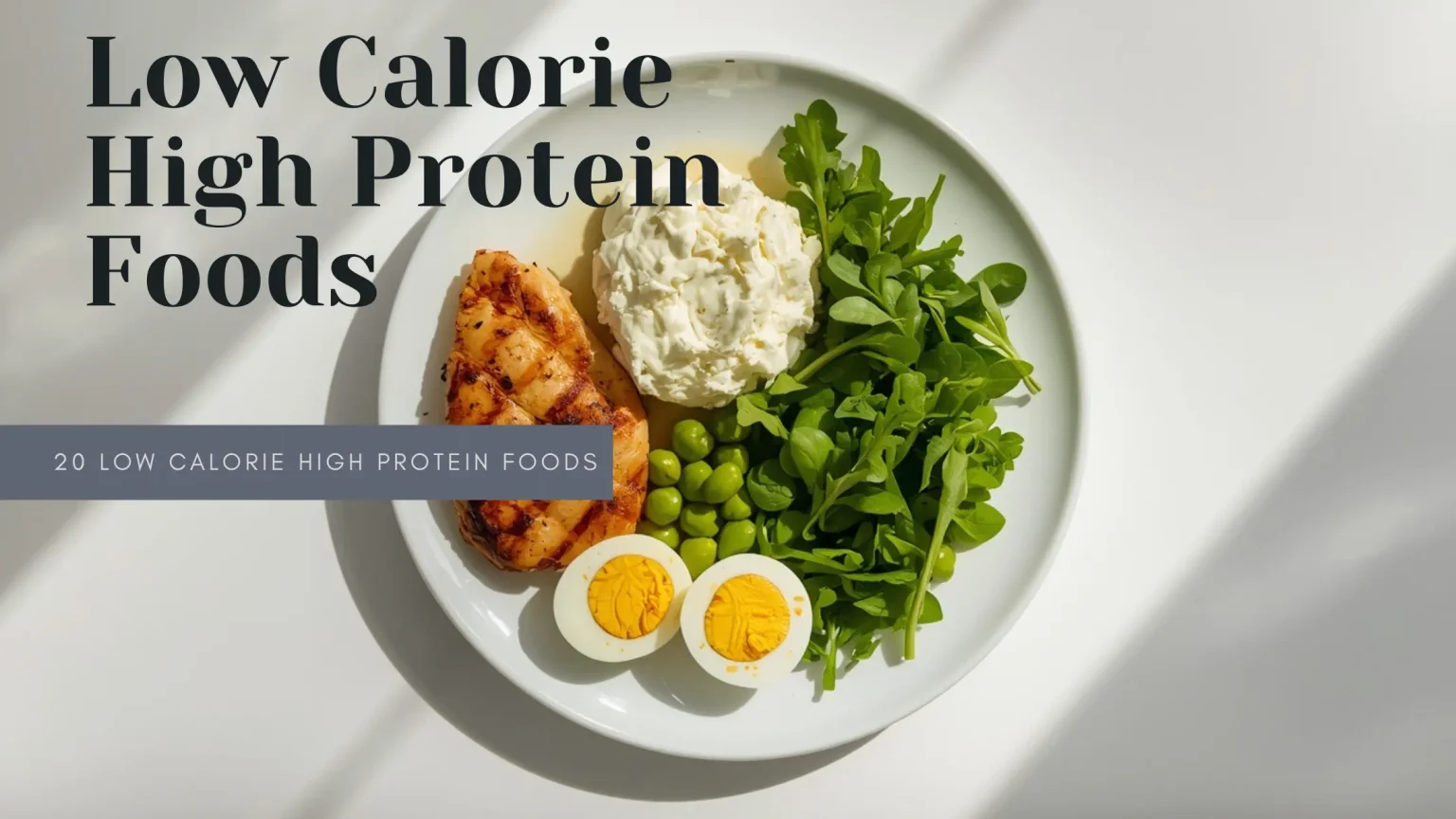
You’ve probably typed some version of “high protein low calorie foods” into Google at 9 p.m., standing in front of a fridge that’s mostly condiments. Fair. Most lists like this just throw fifteen foods at you with no real logic behind the order. We’re ranking these low-calorie high-protein foods by something that actually matters: protein per calorie, not just protein per serving, because a food can be “high protein” and still be a bad deal if it’s loaded with calories to get there.
If you’re only here for one answer: the food with the most protein and the least calories, gram for gram, is almost always something from the seafood or egg-white category. Keep reading for the full breakdown and why total protein still counts too.
What’s in this guide
What Actually Makes a Food Low-Calorie and High-Protein?
A food earns the label when it delivers roughly 15 grams of protein or more per 100 calories. That ratio, protein per calorie rather than protein per serving, is what separates a genuinely efficient food from one that just sounds impressive on a label.
Here’s where a lot of “high protein” lists go wrong. Almonds get recommended constantly, and we’d actually skip them for this specific goal: 6 grams of protein for about 164 calories per ounce is a mediocre ratio at best. They’re a great fat source. They’re just not what you want when the actual goal is protein density. Same story with peanut butter, most granola, and a good chunk of “protein” trail mixes.
Why the ratio matters so much comes down to satiety. Protein tends to fill you up more per calorie than fat or carbs do, and that’s a big part of why foods high in protein and low in calories work so well when you’re trying to manage weight without feeling like you’re constantly hungry. It’s a well-established idea in nutrition science. Harvard’s Nutrition Source covers the general mechanics of protein’s role in a healthy diet if you want the deeper dive.
One more thing worth saying plainly: total protein still matters. A 300-calorie chicken breast with 56 grams of protein is doing more work for your day than three separate 50-calorie foods with 8 grams each, even if the ratio looks similar on paper. Ratio tells you efficiency. It doesn’t replace hitting your actual daily protein target. That’s the whole reason a good low-calorie high-protein foods list mixes both high-ratio and high-total options instead of picking just one.
The Best Low-Calorie High-Protein Foods, By Category
Here’s the list, organized the way you’d actually shop for it, not by some arbitrary “top 20” ranking.
Lean Meat & Poultry
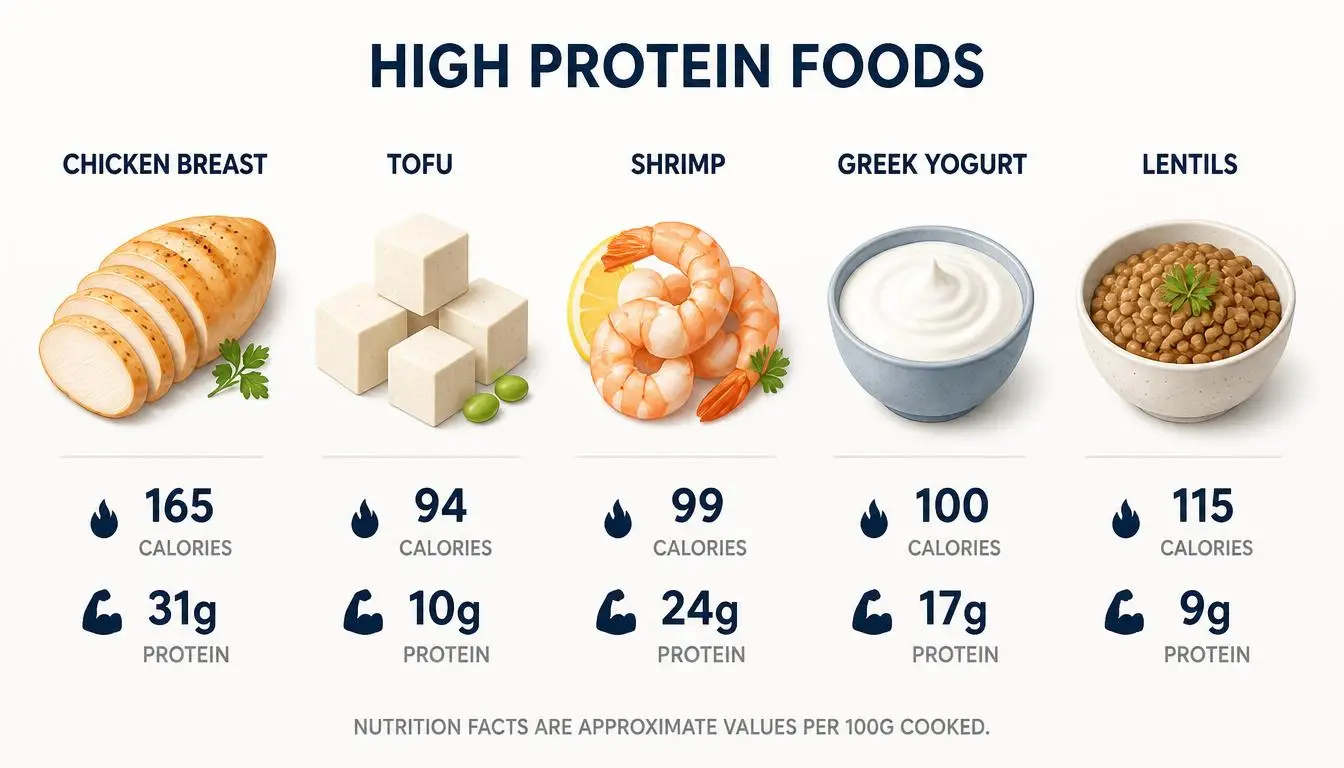
- Chicken breast, skinless, cooked: about 165 calories and 31g protein per 100g. The default answer for a reason.
- Turkey breast, skinless, cooked: around 135 calories and 30g protein per 100g. Slightly better ratio than chicken, honestly, and cheaper at most Nepali and US grocery stores alike when it’s on sale.
- 96% lean ground beef or ground bison: roughly 152 calories and 22g protein per 100g. Not as lean as poultry, but a solid middle ground if you’re tired of chicken.
Seafood: Usually the Highest-Protein, Lowest-Calorie Foods on the List
- Shrimp, cooked: about 99 calories and 24g protein per 100g. One of the best ratios on this entire list.
- Cod, cooked: roughly 105 calories and 23g protein per 100g. Mild, cheap, and forgiving to cook.
- Canned tuna in water, drained: around 116 calories and 26g protein per 100g. The lazy-lunch MVP.
- Tilapia, cooked: about 128 calories and 26g protein per 100g.
Eggs & Dairy
- Egg whites: about 52 calories and 11g protein per 100g. Nothing beats this ratio among whole foods.
- Whole eggs: roughly 143 calories and 13g protein per 100g. Lower ratio than whites alone, but the yolk brings choline, vitamin D, and satiety that whites can’t match on their own.
- Nonfat Greek yogurt, plain: around 59 calories and 10g protein per 100g.
- Low-fat cottage cheese (2%): about 90 calories and 12g protein per 100g. An underrated bedtime snack, by the way, since casein digests slowly.
Plant-Based Options
- Tofu, firm: anywhere from 70 to 140 calories and 8 to 17g protein per 100g depending on the brand and water content, so check the label. This one varies more than almost anything else on the list.
- Tempeh: around 192 calories and 20g protein per 100g. Denser and higher-calorie than tofu, but the ratio still holds up well.
- Lentils, cooked: about 116 calories and 9g protein per 100g, plus a serious amount of fiber.
- Edamame, cooked: roughly 121 calories and 11g protein per 100g.
- Seitan: one of the highest-protein plant foods around, though calories and protein both run high per 100g, so portion it like a meat, not a garnish.
Protein Powder
A clean whey or plant-based protein powder typically delivers 24-25 grams of protein for around 110-130 calories per scoop, depending on the brand. It’s convenient, not magic. See the grocery list section below for a pick we’d actually buy.
| Food (per 100g) | Calories | Protein | Protein per 100 cal |
|---|---|---|---|
| Egg whites | 52 | 11g | 21g |
| Shrimp, cooked | 99 | 24g | 24g |
| Cod, cooked | 105 | 23g | 22g |
| Canned tuna (water) | 116 | 26g | 22g |
| Turkey breast, cooked | 135 | 30g | 22g |
| Chicken breast, cooked | 165 | 31g | 19g |
| Nonfat Greek yogurt | 59 | 10g | 17g |
| Low-fat cottage cheese | 90 | 12g | 13g |
| Edamame, cooked | 121 | 11g | 9g |
| Lentils, cooked | 116 | 9g | 8g |
Values are typical figures rounded from USDA FoodData Central; exact numbers shift slightly by brand, cut, and preparation method.
How Good Is Your Protein-to-Calorie Ratio?
Move the sliders to whatever’s on the label of whatever you’re eating, and we’ll tell you where it lands.
The High-Protein Low-Calorie Grocery List You Can Actually Shop
Here’s what we’d actually put in the cart. Not a fantasy list — the stuff that’s cheap, available in most grocery stores, and doesn’t need a recipe to make it edible. This is the core of any workable low-calorie high-protein foods grocery list, week after week.
- Chicken breast or thighs (buy in bulk, portion and freeze)
- Frozen shrimp: cheaper than fresh and just as good once cooked
- Canned tuna or salmon in water
- Egg whites (carton or fresh, whichever’s cheaper that week)
- Plain nonfat Greek yogurt, unsweetened
- Low-fat cottage cheese
- Firm tofu, tempeh, or a bag of frozen edamame
- Dried or canned lentils
- A clean whey or plant-based protein powder, for the days that don’t cooperate
If you’re trying to build this list without wrecking your grocery budget, our plant-based diet on a budget guide breaks down the actual per-meal cost math, especially useful if tofu and lentils are going to carry most of your protein.
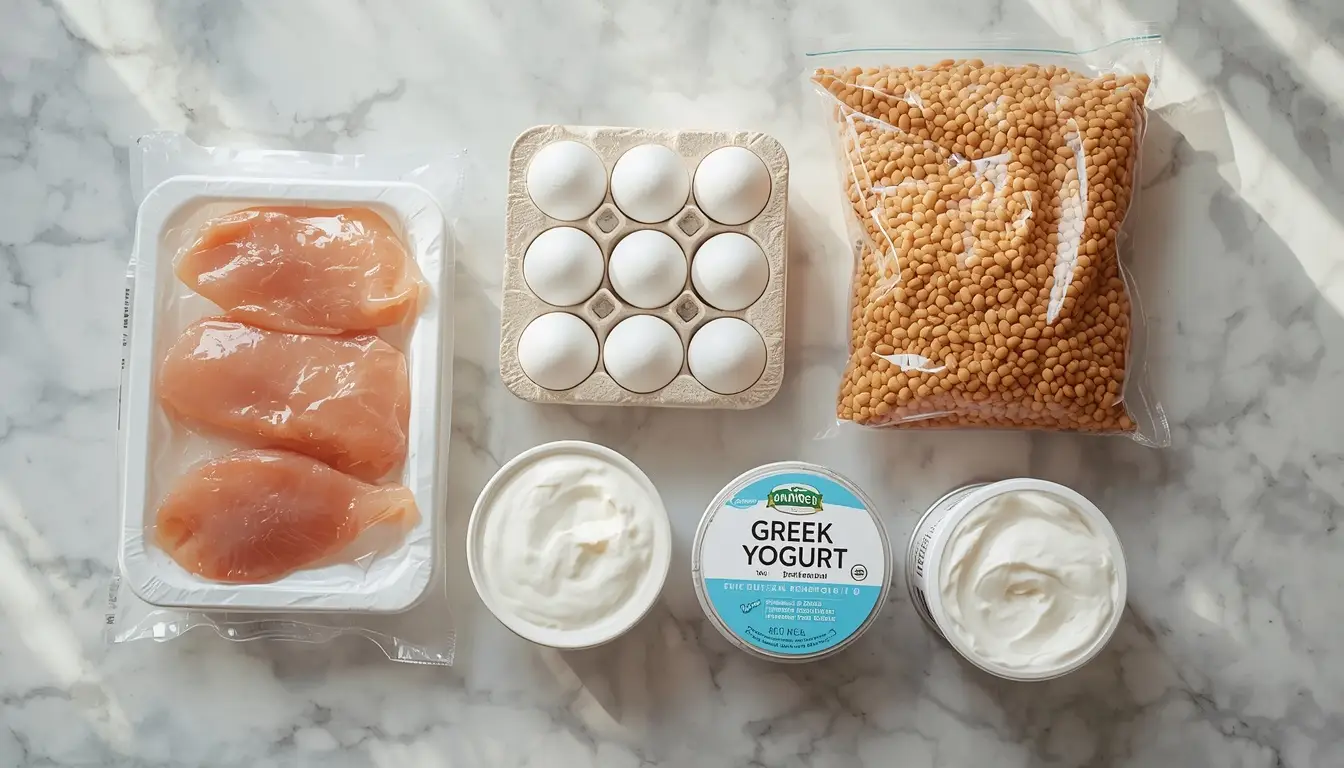
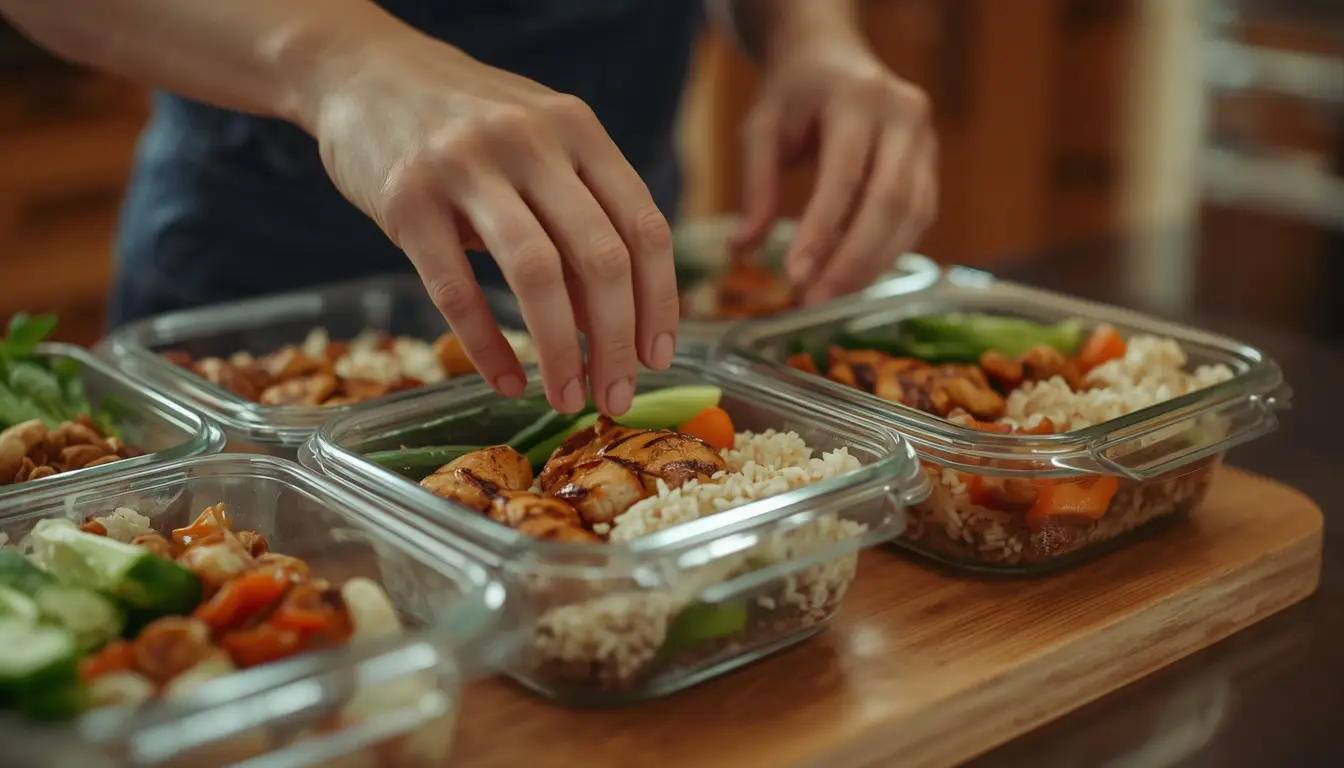
Two cheap tools make this whole approach easier to stick with. A basic kitchen scale takes the guesswork out of “is this actually 100g of chicken,” and a set of portion-sized containers makes batch-cooked meals grab-and-go instead of a Tupperware puzzle every morning.
Clean Whey or Plant-Based Protein Powder
We’d reach for this on the days when whole food prep just doesn’t happen — a busy morning, a late gym session, a trip. It’s not a replacement for real food, but it closes the gap fast and cleanly, without the added sugar a lot of “diet” protein bars are hiding.
Pros
- Roughly 24-25g protein for ~110-130 calories per scoop
- Mixes in seconds, no cooking required
- Both whey and plant versions available depending on preference
Cons
- Some formulas use artificial sweeteners — check the label
- Won’t replace the fiber and micronutrients of whole foods
- Flavor and mixability vary a lot by brand
Foods That Look Lean But Aren’t
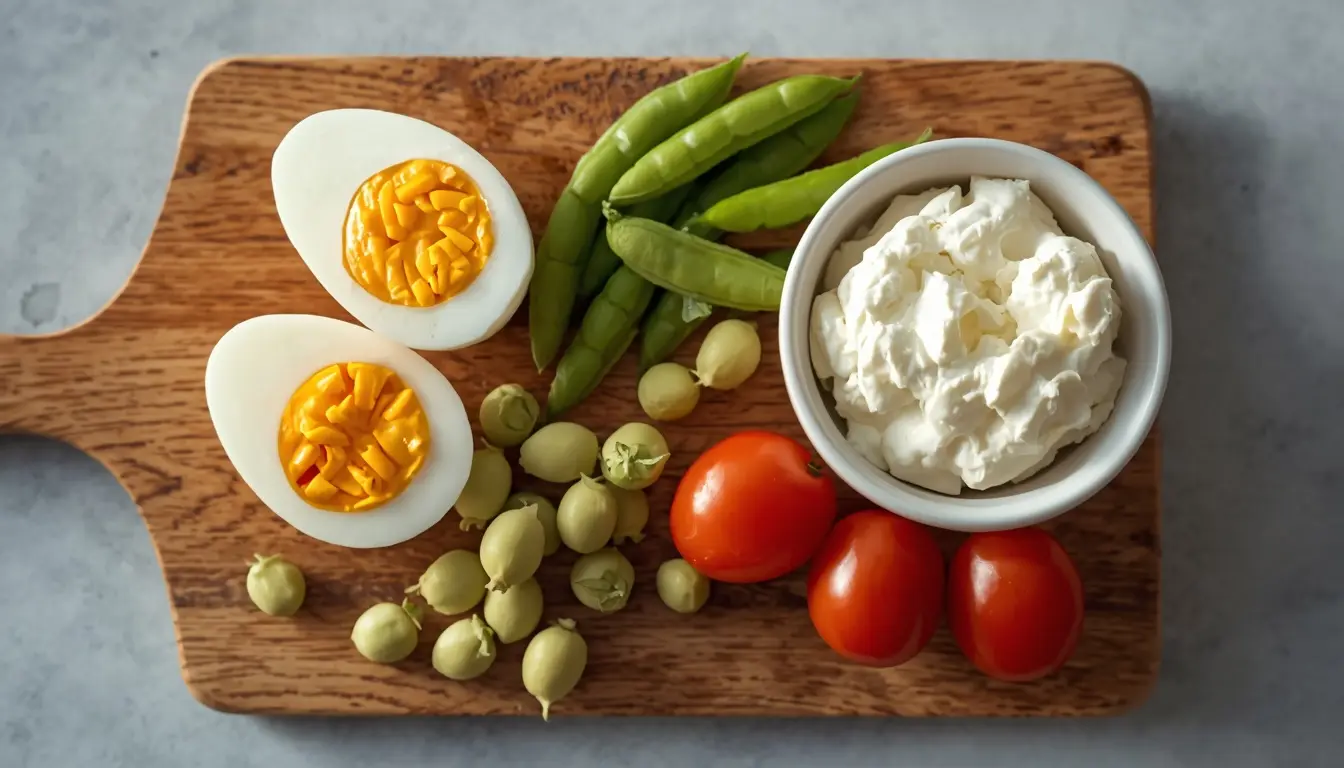
Marketing is really good at making a food look like it belongs on a low-calorie high-protein foods list when it really doesn’t.
- Flavored Greek yogurt: the “fruit on the bottom” kind often has as much added sugar as a candy bar, and the protein count barely budges from the plain version.
- Protein bars: a lot of them are 220+ calories for 15g of protein, which is a worse ratio than plain Greek yogurt. Read the label before assuming “protein” on the wrapper means anything.
- Veggie chips: still fried, still mostly starch. The vegetable is doing almost nothing for the macro profile.
- Smoothies from a shop: often 400+ calories with 8-10g of protein once you account for the fruit juice base and added sweeteners.
- Deli “lean” meats: better than salami, sure, but the sodium and fillers in processed deli turkey mean it’s not really competing with a roasted turkey breast you cooked yourself.
Here’s the honest take: if a snack is marketed with the word “protein” in giant letters on the front, flip it over and check the ratio yourself. Half the time it’s a regular snack with a protein claim bolted on.
A Sample Day of Eating Low-Calorie, High-Protein Foods
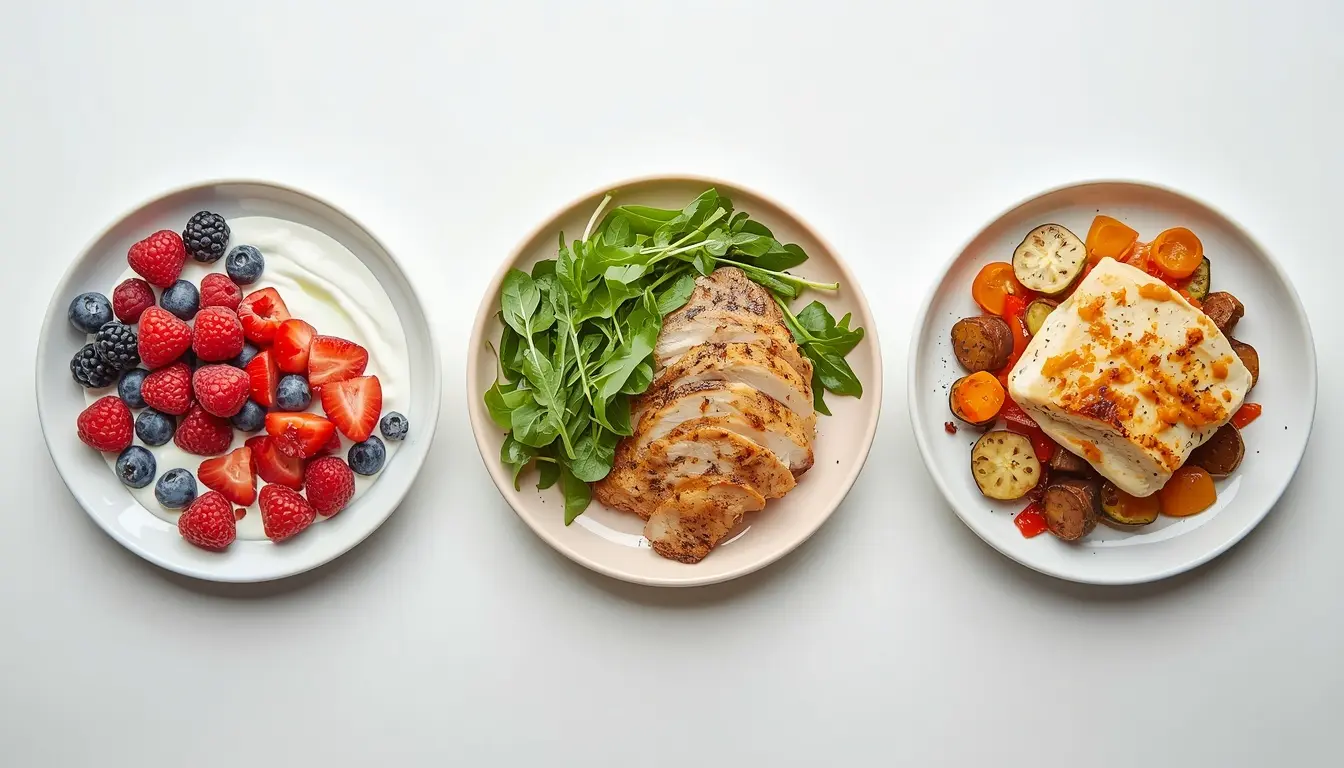
Picture this: you’ve got a normal day, not a meal-prep-Sunday fantasy day. Here’s roughly what a full day of low calorie high protein foods looks like in practice.
- Breakfast: 3 whole eggs + 3 egg whites scrambled, with a side of berries. Around 280 calories, 30g protein.
- Lunch: Canned tuna (in water) mixed with Greek yogurt instead of mayo, over greens. Around 300 calories, 35g protein.
- Snack: Low-fat cottage cheese with cucumber. Around 120 calories, 14g protein.
- Dinner: Grilled chicken breast or shrimp with lentils and roasted vegetables. Around 420 calories, 48g protein.
That lands you somewhere around 1,120 calories and 127 grams of protein across four eating occasions, before you add whatever carbs and fats round out the rest of your daily target. If you’re building this out for a full day’s calorie and fiber target, our guide to the best foods for weight loss over 40 and our high-fiber diet plan both pair well with this list.
FAQ
What foods have the most protein and the least calories?
Egg whites, shrimp, cod, and canned tuna in water top the list: each delivers roughly 20-26 grams of protein for around 100-120 calories per 100 grams. Chicken breast and nonfat Greek yogurt aren’t far behind. Ranked strictly by protein-to-calorie ratio, seafood usually wins.
What is considered a good low-calorie high-protein food?
A good rule of thumb: look for at least 15 grams of protein per 100 calories. Chicken breast, turkey, egg whites, cottage cheese, and legumes all clear that bar comfortably, which is why they show up on almost every high-protein, low-calorie grocery list.
Is Greek yogurt actually high protein and low calorie?
Plain, nonfat Greek yogurt is. It runs around 59 calories and 10 grams of protein per 100 grams. Flavored versions with added sugar can double the calories without adding protein, so check the label before assuming Greek yogurt automatically means low-calorie.
Can you get high-protein, low-calorie foods on a plant-based diet?
Yes, though it takes more planning. Tofu, edamame, lentils, tempeh, and seitan all offer solid protein-to-calorie ratios, and combining a few across a day gets you close to what animal proteins provide. It’s rarely one single perfect plant food doing all the work.
What’s the highest protein, lowest calorie snack?
Hard-boiled eggs, a small tub of low-fat cottage cheese, or a handful of edamame all beat most packaged protein snacks on the actual per-calorie math. A scoop of whey or plant protein mixed with water works too, and it’s fast.
Do I need a protein shake to hit my protein goals?
No. Whole foods cover it for most people. A shake just makes it faster on busy days, which is the honest reason people use them. Think of protein powder as a backup plan, not the foundation.
What We’d Actually Do With This List of Low-Calorie High-Protein Foods
Don’t try to eat all twenty foods on this list. That’s the mistake most people make after reading something like this: they overhaul the whole fridge overnight and burn out in nine days.
Pick four or five low-calorie high-protein foods you’d genuinely eat every week without hating your life, and build around those. For most people that’s something like: chicken breast, eggs, Greek yogurt, canned tuna, and lentils. Rotate them, season them differently, and let the protein powder cover the one or two days a week that fall apart. That’s the whole system for eating low-calorie high-protein foods long term. It’s boring. It also works, which is the part that matters more than novelty.
One challenge if you want it: track your protein-to-calorie ratio for three days using the calculator above before you buy anything new. You might find you’re already closer to a solid ratio than you think — or you’ll spot exactly which meal is quietly dragging your numbers down.
Disclaimer: This article is for general educational purposes and isn’t personalized medical or nutrition advice. Individual protein needs vary based on age, activity level, health conditions, and goals. Talk to a doctor or registered dietitian before making major changes to your diet, especially if you have kidney, liver, or metabolic conditions.
Sources: Nutrition values referenced from USDA FoodData Central. General protein and satiety background from the Harvard T.H. Chan School of Public Health, The Nutrition Source.

Fitness Specialist & Former Tactical Trainer
Bal Krishna Poudel has spent more than 19 years in law enforcement organization, and fitness has been at the center of it all. He knows physical conditioning, dynamic strength training, and everyday wellness inside and out. For close to two decades, he taught at official police training centers, getting officers ready for the physical demands of the job—building their endurance and operational fitness. These days, he coaches people in his local community on strength and fitness. At 49, he doesn’t just talk about staying active—he lives it, showing up every day to train and move. He writes for Bodylix, where he shares workouts and nutrition advice that regular readers can actually use, backed by science and built around one goal: helping people stay strong and healthy for the long haul.

4 Responses