
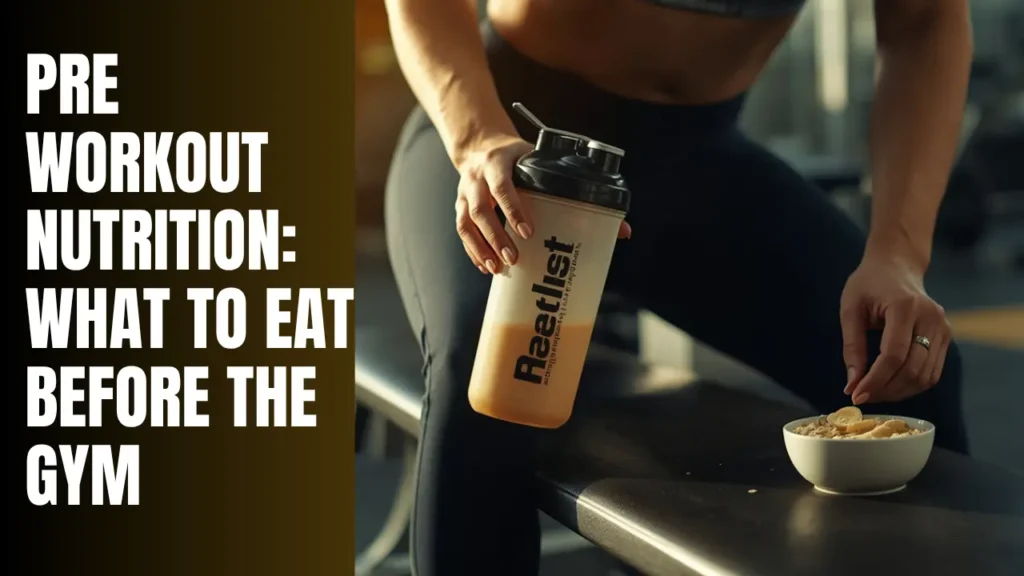
Real food covers your energy needs before the gym — a banana 30 minutes out, oats a few hours before — and a pre-workout supplement like Thavage sits on top of that as an optional boost, not a replacement for it.
Confused about pre workout nutrition? Learn exactly what to eat, when to eat it, and whether Thavage Pre Workout is worth adding to your routine.
Maya used to skip breakfast before her 6 a.m. gym sessions. She figured an empty stomach meant a leaner body, faster results, less to think about. Halfway through her second set of squats one Tuesday, the room started to tilt. Her hands went cold. She had to sit down on a bench, embarrassed, while people around her kept moving through their sets like nothing was wrong.
A week later, she tried something different. Half a banana and a spoon of peanut butter, thirty minutes before she walked in. Same gym, same exercises, same tired body clock. But this time she felt steady. Focused. She got through her whole session and actually enjoyed it.
That’s the difference pre workout nutrition makes. It’s not complicated, and it’s not about eating perfectly. It’s about giving your body enough fuel to do what you’re asking it to do.
If you’ve ever stood in your kitchen before a workout wondering what to eat before the gym — or worse, walked in without eating and regretted it by set three — this guide is for you. By the end, you’ll know exactly what, when, and how much to eat before training. We’ll also talk about where a supplement like Thavage Pre Workout can fit into the picture, and where it can’t replace real food.
Table of Contents
Why Pre Workout Nutrition Matters

Think of food as fuel, not a moral decision. Your muscles run on carbohydrates. Your brain runs on glucose. When you show up to train without enough of either, your body has to work harder just to keep you upright, let alone lift, sprint, or push through a tough set.
Good pre workout nutrition gives you steadier energy, better strength output, and sharper focus. Skip it, and you might feel foggy, weak, or nauseous halfway through your session — the exact feeling Maya had on that Tuesday morning.
Here’s the part nobody tells beginners enough: it’s okay to experiment. Your best friend’s pre-gym meal might make you feel sick. Your coworker’s “go-to” pre workout snack might do nothing for you. That’s normal. Finding your own rhythm with pre workout nutrition takes a bit of trial and error, and that’s a completely normal part of the process.
You may also like : 15 Best Foods for Weight Loss Over 40 (That Actually Work)
Timing: When to Eat Before Your Workout
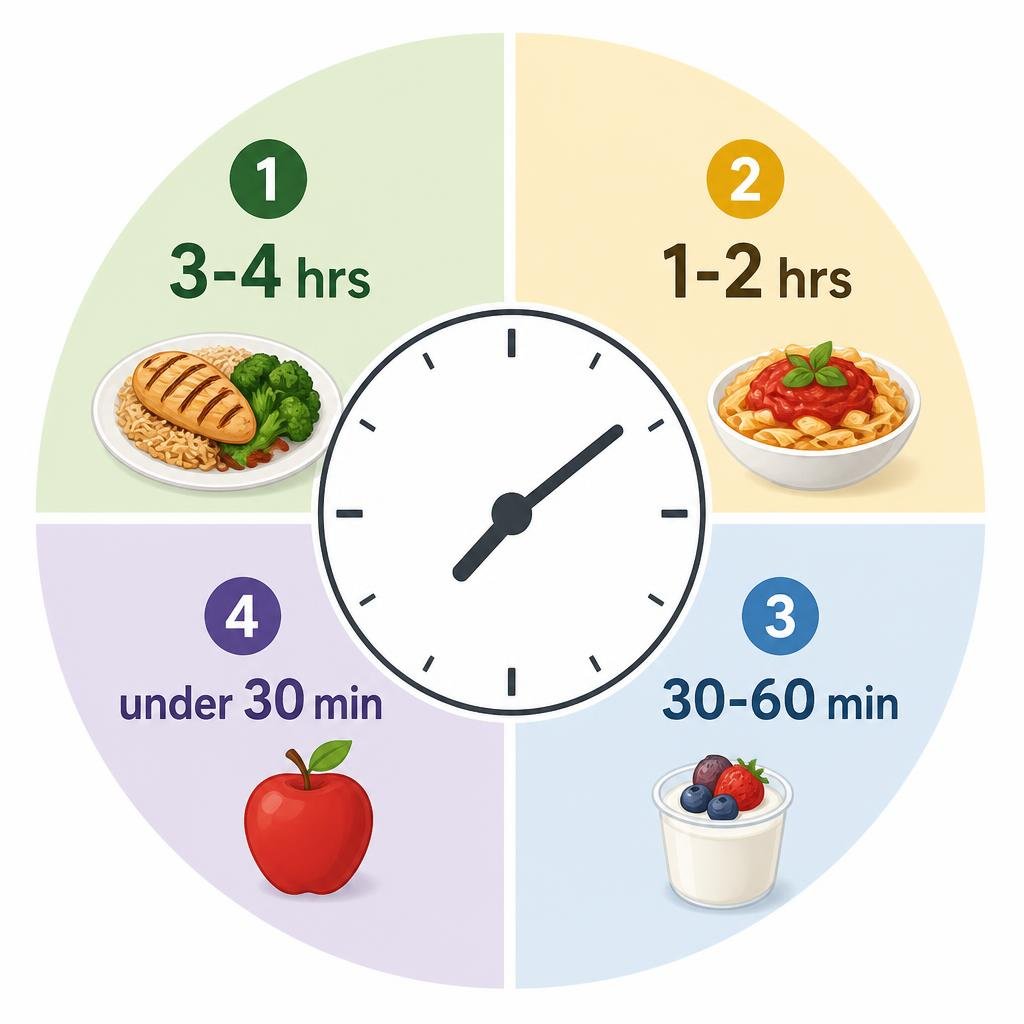
Timing matters almost as much as what you eat. The general rule is simple: the closer you are to training, the lighter and more digestible your food should be.
3–4 hours before training This is your window for a full, balanced meal — carbs, protein, and a moderate amount of fat. Your digestive system has time to do its job before you start moving.
- Rice, chicken, and vegetables
- Pasta with lean meat and a side salad
- Roti, dal, and curd
1–2 hours before training A smaller meal or a large snack works here. Stick to easy-to-digest carbs with a bit of protein, and keep fat and fiber low so your stomach isn’t still working when you start your warm-up.
- Oatmeal with yogurt and fruit
- Toast with a boiled egg
- Banana with peanut butter
30–60 minutes before training Keep it light and mostly simple carbs. This is the sweet spot for a quick pre workout snack that won’t sit heavy.
- A banana
- A few dates
- Rice cake with honey
- A small smoothie
Under 30 minutes before training If you’re pressed for time, keep it tiny. Half a banana, a sports drink, or a couple bites of toast is plenty.
These windows are guidelines, not laws carved in stone. Some people train comfortably on a fuller stomach; others need to eat much earlier. Pay attention to your own stomach and energy levels, and adjust from there.
What to Eat: Best Pre Workout Foods
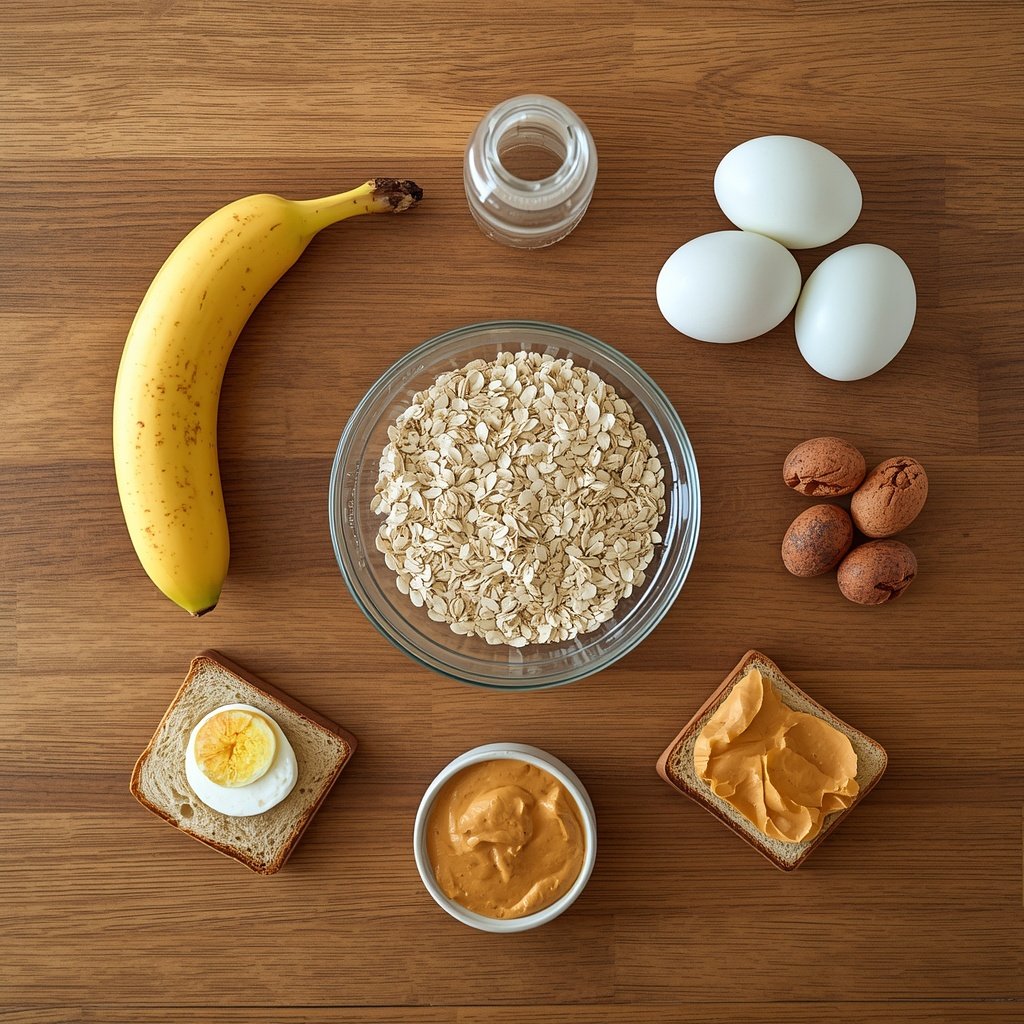
When you’re building your pre workout meal or snack, think in three categories: carbs, protein, and fat — with hydration tying it all together.
Carbs (your main energy source) Oats, rice, roti, fruit, potatoes, and whole grain bread are all solid choices. Carbs are what your muscles pull from first during exercise, so don’t be afraid of them before training.
Protein (to protect your muscles and curb hunger) Eggs, Greek yogurt, chicken, tofu, lentils, or a protein shake all work well. Protein won’t give you the same quick energy carbs do, but it helps you feel fuller and steadier through your session.
Fats (keep them light before training) A small amount of nuts, peanut butter, or olive oil is fine. Just don’t overdo it — too much fat before a workout can slow digestion and leave you feeling heavy.
Hydration Water matters more than most people realize. If you’re training hard or in the heat, add electrolytes to the mix.
A few concrete combos to try:
- 1 medium banana + 1 boiled egg
- 1 slice whole grain toast + 1 tablespoon peanut butter
- Small bowl of oats with milk and berries
- Half a cup of cooked rice + a small piece of grilled chicken
- Greek yogurt with a handful of berries
None of these require a grocery list of specialty items. Simple, affordable food does the job just as well as anything fancy.
Pre Workout Nutrition for Different Goals
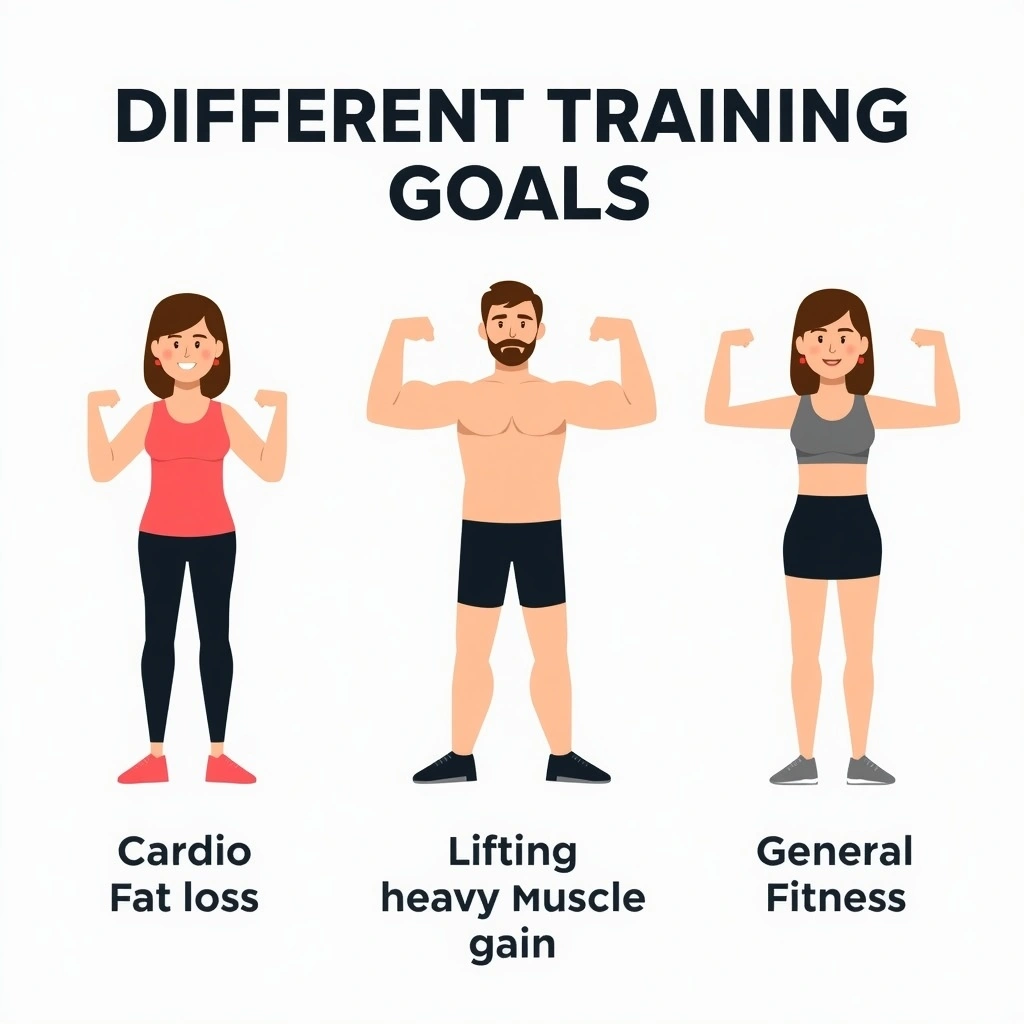
Your goals shape how you approach pre workout nutrition, but the basics stay the same.
Fat loss: You should still eat before training. Skipping meals entirely to “save calories” often backfires — you end up with a weaker workout and more hunger later. Keep portions slightly smaller, and lean on protein and carbs together.
Muscle gain: Make sure you’re getting enough carbs and protein before you lift. Don’t shy away from a slightly larger pre workout meal if you’re training heavy — your body needs the fuel to perform and recover.
General fitness and health: Aim for steady, consistent energy. Avoid showing up starving or stuffed. Neither extreme feels good mid-workout.
However you’re training, remember that your total daily nutrition matters more than any single pre workout meal. But getting that one meal right can make the difference between a workout that drags and one that actually feels good.
Where Supplements Fit In: Thavage Pre Workout Explained
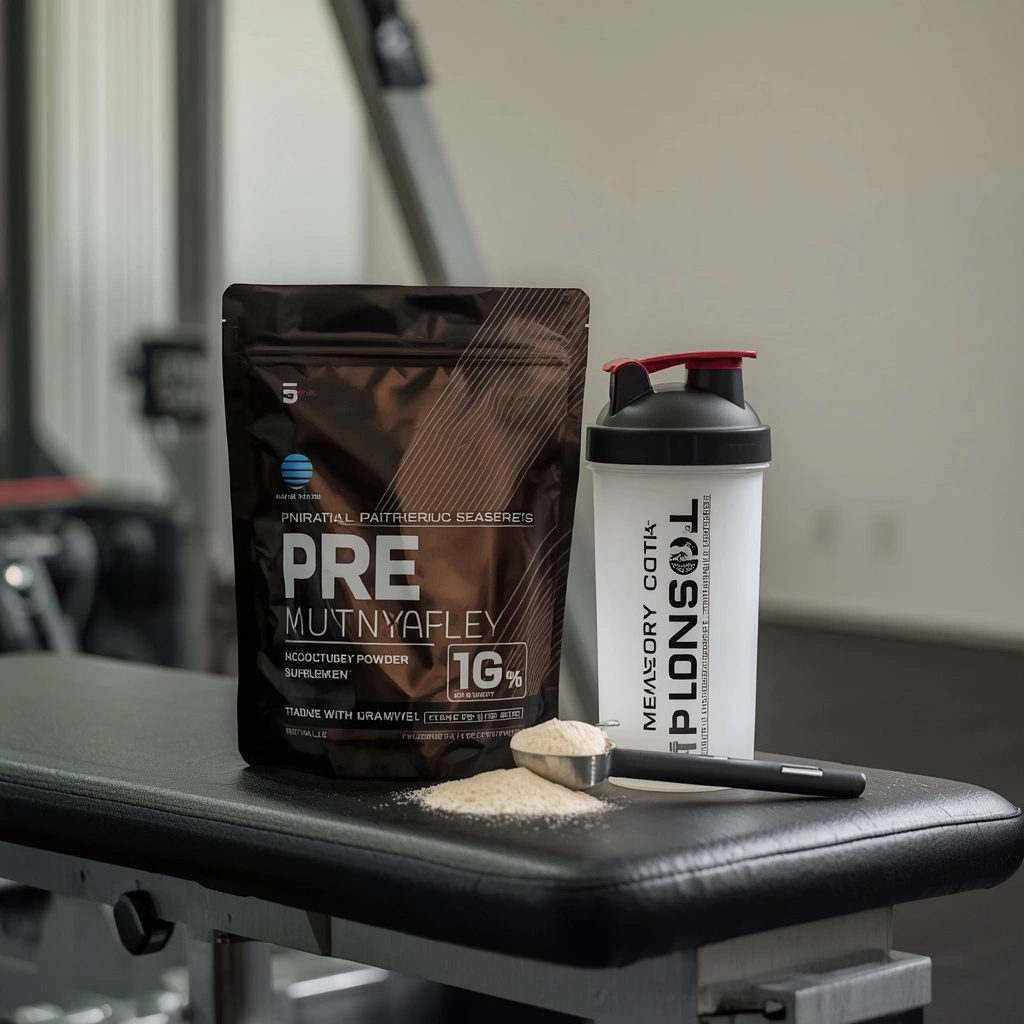
Food comes first — always. But once your pre workout nutrition basics are dialed in, some people like an extra push from a supplement. That’s where pre workout powders come in.
These products are designed to boost energy, focus, blood flow, and endurance during training. Most rely on a mix of caffeine, amino acids, and other performance ingredients.
Thavage Pre Workout, the formula associated with bodybuilder CBUM Thavage, has become popular among gym-goers who want a strong stimulant kick along with a noticeable pump. Here’s what’s typically inside, in plain language:
- Caffeine for energy and mental alertness
- L-Citrulline and Nitrosigine to support blood flow and that “pumped” feeling in the muscles
- Beta-Alanine for muscular endurance (this is the ingredient behind that tingly, prickly skin sensation some people feel)
- L-Tyrosine to support mental focus under stress or fatigue
- Electrolytes to help with hydration during training
Who might benefit from Thavage Pre Workout:
- People training later in the day who feel drained by then
- Lifters who want extra focus and intensity for tough sessions
- Anyone who already has solid pre workout nutrition dialed in but wants an added edge
Who should be cautious:
- Beginners who are sensitive to caffeine
- Anyone with heart issues, anxiety, or trouble sleeping
- People who already drink a lot of coffee or energy drinks
If you’re trying Thavage Pre Workout for the first time, start with half a scoop to see how your body responds, and take it 20–30 minutes before you train. Think of it as a supplement to your routine, not a replacement for real food. A scoop of pre workout on an empty stomach with no other fuel is not the same as proper pre workout nutrition — your muscles still need actual meals to perform and recover well.
Simple Pre Workout Nutrition Plan (Example Day)
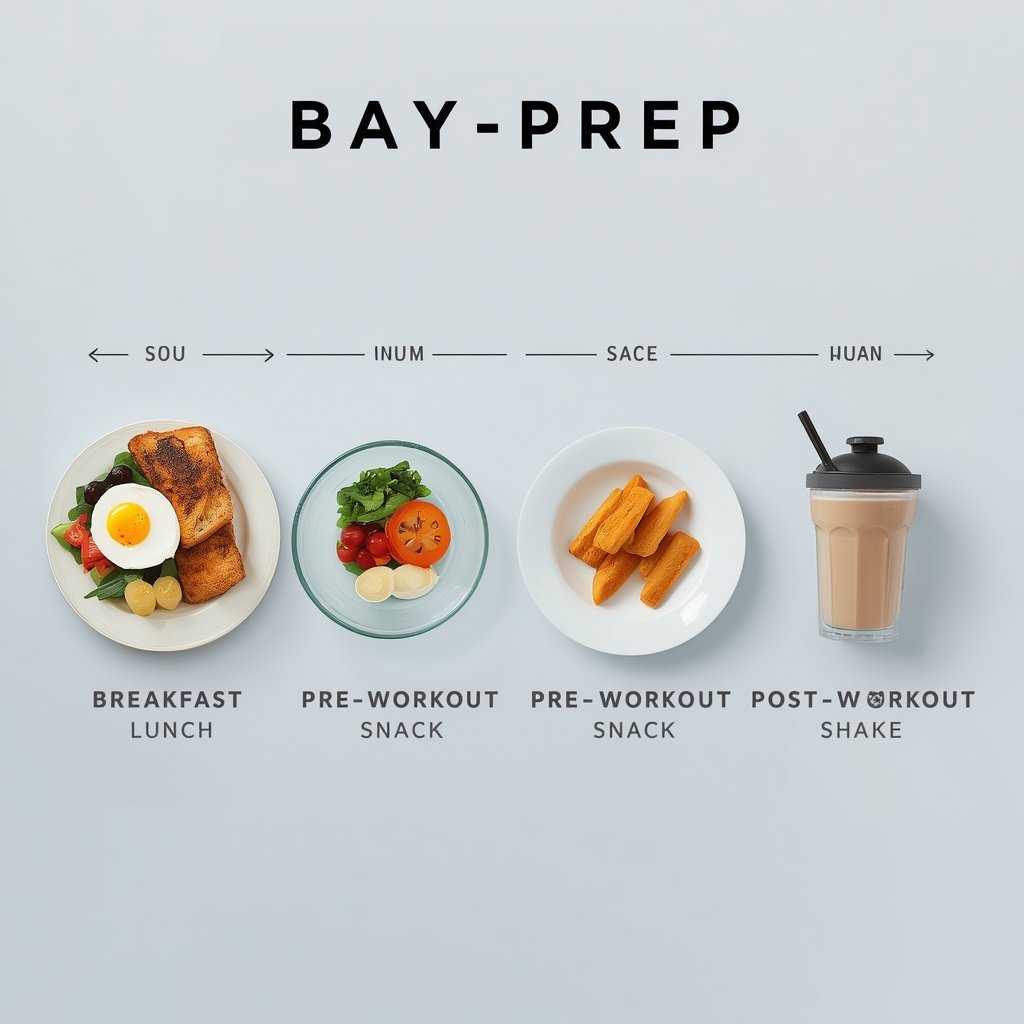
Here’s what a full day might look like for someone training in the evening:
- Breakfast: Oats with milk, banana, and a spoon of peanut butter
- Lunch: Rice with chicken or tofu, vegetables, and curd
- Pre workout snack (60 minutes before training): A slice of toast with honey, or a small piece of fruit with yogurt
- Optional: Half a scoop of Thavage Pre Workout if you want an extra boost of energy and focus
- Post workout: A protein shake or a meal with protein and carbs to support recovery
This kind of structure keeps your energy stable all day, so you’re not relying on your pre workout snack — or your supplement — to make up for hours of under-eating.
Common Mistakes to Avoid
Even well-meaning people trip up on pre workout nutrition. Watch for these:
- Eating too heavy or too close to training. This usually leads to feeling sick or sluggish mid-workout. Fix: shift your meal earlier, or choose a lighter option closer to training time.
- Training on a completely empty stomach. This can cause dizziness or weakness, especially in longer or more intense sessions. Fix: even a small snack, like a banana, can make a real difference.
- Relying only on supplements and skipping real food. A pre workout powder can’t replace the fuel your body needs. Fix: treat supplements as an addition, not a substitute.
- Trying new foods or supplements right before an important session. Leg day is not the time to test a new pre workout flavor or an unfamiliar meal. Fix: experiment on lower-stakes training days first.
- Not drinking enough water. Dehydration alone can tank your energy and focus. Fix: sip water throughout the day, not just right before you train.
Mindset and Listening to Your Body
There’s no universal formula that works for everyone, and that’s actually good news — it means you get to figure out what works for you.
Try keeping a small notebook, or a note on your phone, of what you ate, when you ate it, and how you felt during your workout. Over a few weeks, patterns will start to show up. Maybe you notice you feel best with oats two hours out. Maybe you discover dairy before training upsets your stomach. Small adjustments, based on real feedback from your own body, will get you further than copying someone else’s routine.
Celebrate the small wins along the way — a workout where you felt sharp, a session where you hit an extra rep, a day where you didn’t feel that afternoon crash. Those little signals mean your pre workout nutrition is starting to click.
Quick-Start Checklist
- Decide what time you’re training
- Plan a full meal 2–3 hours before, with carbs and protein
- Prepare a small snack 30–60 minutes before if you need it
- Drink water consistently throughout the day
- If you’re using Thavage Pre Workout, start with half a scoop
- Track how different foods and timing affect your workouts, and adjust as you learn
FAQ
What is the best pre workout nutrition for beginners? A simple combination of easy-to-digest carbs and a bit of protein, eaten 1–2 hours before training, works well for most beginners. Think oatmeal with fruit, or toast with a boiled egg.
Can I train on an empty stomach, or should I always eat something? Some people do fine with fasted training, especially for lighter sessions. But if you feel weak, dizzy, or unfocused, that’s a sign your body needs fuel first. Listen to how you feel rather than following a strict rule.
Is Thavage Pre Workout safe for beginners? It can be, as long as you start with a smaller dose — like half a scoop — to check your caffeine tolerance. If you’re sensitive to stimulants or have any heart or anxiety concerns, talk to a doctor before trying it.
What should I eat before a morning workout if I don’t have much time? Keep it small and simple: half a banana, a few dates, or a small smoothie. You don’t need a full meal — just enough to avoid training on empty.
How much caffeine is too much in pre workout supplements? Most healthy adults tolerate up to about 400mg of caffeine a day, but sensitivity varies a lot. If you already drink coffee or energy drinks, factor that in before adding a pre workout supplement like Thavage on top.
A Warm Closing
Your body isn’t a machine. It’s your partner. Fuel it with care, pay attention to how it responds, and be patient with yourself as you figure out what works.
At bodylix, we believe great workouts start long before you step into the gym — with what you eat, how you rest, and how kindly you treat yourself along the way. You’ve got this.
If you’re also working on your training plan, check out our guide on beginner gym workout for female. For more on supplements, see our article on best protein powders for beginners.
Explore more: Proven Low Impact Weight Loss Workout for Beginners Over 40

Fitness Specialist & Former Tactical Trainer
Bal Krishna Poudel has spent more than 19 years in law enforcement organization, and fitness has been at the center of it all. He knows physical conditioning, dynamic strength training, and everyday wellness inside and out. For close to two decades, he taught at official police training centers, getting officers ready for the physical demands of the job—building their endurance and operational fitness. These days, he coaches people in his local community on strength and fitness. At 49, he doesn’t just talk about staying active—he lives it, showing up every day to train and move. He writes for Bodylix, where he shares workouts and nutrition advice that regular readers can actually use, backed by science and built around one goal: helping people stay strong and healthy for the long haul.

5 Responses