
Honestly? Most “full body gym plan” articles online are recycled garbage. Same six exercises, same vague advice, zero actual programming. This one’s different.
TL;DR: A full body gym plan trains every major muscle group in one session, three times a week, using compound exercises using dumbbells as the backbone — squats, presses, rows, deadlifts. You’ll build strength faster than a split routine when you’re starting out, recover better, and spend less time in the gym overall. Below is the exact plan, the exercises, the mistakes to skip, and the gear worth buying.
Let’s get into it.
Table of Contents
What Is a Full Body Gym Plan, Really?
A full body gym plan is a workout structure where you train your entire body — legs, back, chest, shoulders, arms, core — in a single session, and you repeat that session two to three times a week instead of splitting muscle groups across different days.
That’s it. No secret formula. The magic is in how often you hit each muscle.
Here’s what surprised me when I first switched from a bro-split to full body training: I got stronger faster. Not because the exercises were different — because I was squatting three times a week instead of once. More frequency, same weekly volume, better results. That’s not opinion. The American College of Sports Medicine recommends training each major muscle group two to three days per week on non-consecutive days, and a full body plan is the easiest way to hit that without overthinking your schedule.
Most people don’t mention this part: a full body plan is also just more forgiving. Miss a day? You haven’t skipped “leg day” for the whole week. You’ll hit legs again in 48 hours anyway.
Also Read: 10-Minute Full Body Workout for Beginners (No Equipment Needed)
Why Compound Exercises Using Dumbbells Work Better Than Machines
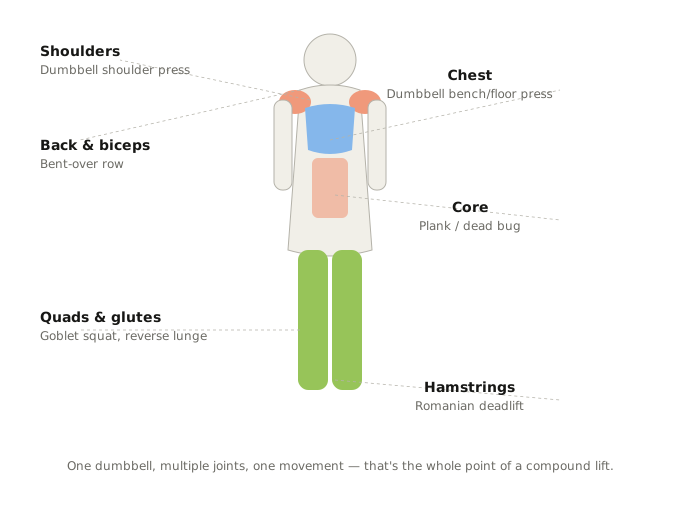
Compound exercises using dumbbells work because they force multiple muscle groups and joints to fire together, the same way your body actually moves outside the gym.
A dumbbell squat doesn’t just hit your quads. It drags in your glutes, your core, your grip, your shoulders just to hold the weight steady. A machine leg press does none of that. You sit down, push a plate, and your stabilizer muscles take the day off.
From what I’ve tried — and from what our coaches at Bodylix see with new members constantly — dumbbells also expose weaknesses that barbells and machines hide. One arm weaker than the other? A dumbbell press will show you immediately. A barbell lets the stronger side quietly compensate for months without you noticing.
There’s a practical angle too. Compound exercises using dumbbells:
- Take up less space than a full barbell rack, which matters if your gym is small or crowded during peak hours
- Let you train unilaterally (one side at a time), which fixes imbalances a barbell can’t touch
- Scale down easily for beginners and up for advanced lifters, just by grabbing different pairs
- Carry over directly to real-life movement — carrying groceries, lifting a kid, hauling a bag up stairs
Most guides oversell barbell training for beginners. We’d actually skip it in month one. Dumbbells teach control first. Barbells can wait.
The Full Body Gym Plan: Your Weekly Template
Here’s the actual full body gym plan. Three sessions a week, at least one rest day between each.
| Day | Focus | Session Length |
|---|---|---|
| Monday | Full Body A | 45–60 min |
| Tuesday | Rest or light cardio | — |
| Wednesday | Full Body B | 45–60 min |
| Thursday | Rest or light cardio | — |
| Friday | Full Body A or B (alternate) | 45–60 min |
| Weekend | Rest, walk, mobility work | — |
Full Body A
- Dumbbell goblet squat — 3 sets
- Dumbbell bench press (or floor press) — 3 sets
- Dumbbell bent-over row — 3 sets
- Dumbbell shoulder press — 3 sets
- Dumbbell Romanian deadlift — 3 sets
- Plank — 3 sets to near failure
Full Body B
- Dumbbell reverse lunge — 3 sets
- Dumbbell incline press — 3 sets
- Single-arm dumbbell row — 3 sets
- Dumbbell lateral raise — 3 sets
- Dumbbell deadlift (both feet) — 3 sets
- Hanging leg raise or dead bug — 3 sets
Alternate A and B across the week. Week one might be A-B-A, week two B-A-B. Simple.
Exercise Breakdown: The Core Compound Lifts
Every exercise below is a compound movement using dumbbells, picked because it hits the most muscle per rep.
Goblet squat. Hold one dumbbell vertically against your chest, squat until your thighs are roughly parallel to the floor, drive back up. Hits quads, glutes, core. Beginners should master this before touching a barbell squat — it teaches depth and posture without the loading stress on your spine.
Dumbbell bench or floor press. Lie on a bench (or the floor if you’re training at home), press two dumbbells up until arms are straight, lower with control. Chest, triceps, front shoulders. The floor press version caps your range of motion automatically, which protects your shoulders if you’re new to pressing.
Bent-over row. Hinge at the hips, back flat, row two dumbbells to your ribs. Back, biceps, rear shoulders. This one gets rushed constantly — people yank the weight up with momentum instead of pulling with their back. Slow it down.
Shoulder press. Standing or seated, press dumbbells overhead from shoulder height. Shoulders, triceps, upper chest, core (standing version especially).
Romanian deadlift. Soft knee bend, hinge at the hips, lower dumbbells along your legs until you feel a stretch in your hamstrings, stand back up. Hamstrings, glutes, lower back. This is the most under-trained movement in most beginner routines, and it’s the one that saves your back later in life.
Reverse lunge. Step backward into a lunge, front knee tracking over the foot, push back to standing. Quads, glutes, balance, core stability.
Pick five or six of these per session and you’ve covered basically every major muscle group your body has.
Sets, Reps, and Progression — Don’t Wing This Part
Here’s exactly what to do. Not “stay consistent.” That advice is useless.
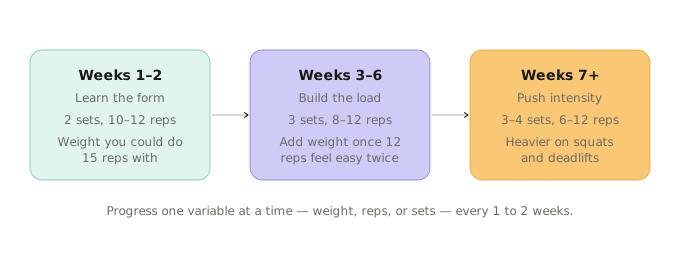
Weeks 1 and 2: two sets per exercise, 10 to 12 reps. Form only. Nothing else matters yet. Grab a weight you could squeeze out 15 reps with, but stop yourself at 10 to 12. Leave a little in the tank.
Weeks 3 through 6, bump to three sets, 8 to 12 reps. Once you hit 12 clean reps across every set, two sessions in a row? Add weight. Not before that. Rushing this part is how people end up with garbage form and sore joints.
Weeks 7 and beyond: 3 to 4 sets, somewhere in the 6 to 12 range depending on the lift. Squats and deadlifts get heavier and lower rep. Presses and rows stay moderate on both ends.
Rest matters more than people think. Give yourself 60 to 90 seconds between upper body sets. Bump that to 90 to 120 for squats and deadlifts — your central nervous system needs the extra recovery, not just your muscles. ACSM’s guidance for novice-to-intermediate lifters lands right in this zone: 2 to 4 sets, 8 to 12 reps, 2 to 3 minutes rest. That’s not a random number someone made up. It holds up. Don’t reinvent it.
And here’s the part people skip past: progression isn’t optional. It’s not a bonus tip. It’s the entire point of doing any of this. Still curling the same dumbbells in month three that you grabbed in month one? You’re not “maintaining.” You’re not progressing either. You’re just going through motions and calling it a workout.
Full Body Gym Plan vs. a Split Routine: Which Actually Wins?
People ask this constantly, so let’s settle it. A full body gym plan trains everything three times a week. A split routine (push/pull/legs, or chest-and-triceps style) trains one or two muscle groups per session, spread across four to six days.
For beginners, a full body gym plan wins, and it’s not close. You’re touching each lift three times a week instead of once, which means three times the practice reps on your squat form, your hinge, your press. Skill under load builds faster with more frequent exposure — that’s just how motor learning works.
Splits earn their place later. Once you’re benching your bodyweight and squatting well past it, a split lets you pile on more total volume per muscle group in a single session, because you’re not fatigued from training everything else first. That’s an intermediate-to-advanced problem, though. If you’re still learning what a proper hip hinge feels like, a full body gym plan teaches you that faster, plain and simple.
One more thing worth saying: a full body plan is also just easier to stick with. Missed Wednesday because work ran late? You haven’t lost “back day” for the week — you’ll hit your back again on Friday. Splits punish inconsistency in a way full body training doesn’t.
Common Mistakes That Kill Your Progress
Picture this: you’ve been going three times a week for two months, and the scale hasn’t moved, and your lifts feel exactly the same. Here’s usually why.
Skipping progression. Same weight, same reps, week after week. Your body adapted in week three and you’ve been coasting since.
Too much volume, too fast. New lifters love adding exercises. Ten exercises a session isn’t a full body gym plan — it’s a recipe for burnout by week four. Six solid movements beat twelve rushed ones.
Ignoring recovery. Training full body five or six days a week sounds hardcore. It’s actually counterproductive. Your muscles grow during rest, not during the workout itself. Two rest days minimum, non-negotiable.
Bad hinge mechanics on deadlifts. Rounding the back on a Romanian deadlift is the single fastest way to hurt yourself in this whole plan. If your lower back rounds before your hamstrings feel a stretch, the weight’s too heavy or the form needs work first.
No warm-up. Five minutes of light cardio and a couple of bodyweight squats and arm circles isn’t optional padding. Cold muscles under load is how strains happen.
Best Dumbbells and Gear for a Full Body Plan
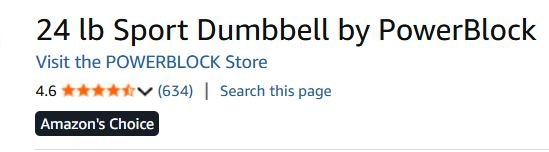
You don’t need much for this plan. A pair of adjustable dumbbells and a flat bench cover about 90% of it.
Adjustable Dumbbell Set
Affiliate Disclosurer: This post may contain affiliate links, and if you buy something through them, we might earn a small commission — at no extra cost to you. We only recommend gear we’d actually put in our own gym bag.
Spec Badge: Weight range 5–52.5 lbs per hand · Adjustment time under 10 seconds · Footprint roughly 17″ x 8″ per dumbbell
| Pros | Cons |
|---|---|
| Replaces an entire rack in a fraction of the space | Higher upfront cost than a fixed pair |
| Quick weight changes between exercises | Bulkier to hold during high-rep sets than fixed dumbbells |
| Good for home gyms with limited floor space | Selector dial can wear over years of heavy use |
Who it’s for: Anyone training at home, or anyone tired of hunting for the right dumbbell pair during a busy gym session. Who should skip it: Lifters who already have full access to a commercial dumbbell rack — you’re paying for a space-saving feature you don’t need. Adjustable Dumbbell Set
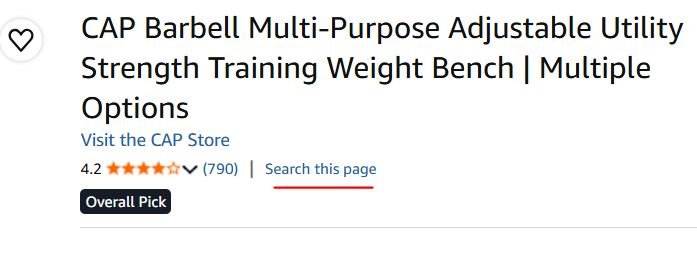
Adjustable Flat-to-Incline Bench
Spec Badge: Weight capacity typically 600+ lbs · 5–7 incline positions · Folds for storage
| Pros | Cons |
|---|---|
| Lets you do flat, incline, and seated press variations on one bench | Takes floor space even when folded flat |
| Sturdy base handles heavy dumbbell pressing | Cheaper models wobble under uneven load |
| Doubles for step-ups and core work | Padding on budget models wears faster |
Who it’s for: Anyone doing this plan at home who wants incline press variations, not just flat. Who should skip it: If you’re training at a commercial gym, you already have benches — save the money.
Running This Plan Without Breaking the Bank
You don’t need a fancy gym membership or a garage full of equipment to make this work. Most commercial gyms already stock dumbbells heavy enough to cover this entire program for at least your first year of training — you’re rarely the bottleneck, the gym’s rack is. Training at home instead? A basic adjustable dumbbell set costs a fraction of what a year of gym membership runs, and it pays for itself fast.
Cold weather changes things, and people underestimate this constantly. Unheated gym floors and cold home spaces stiffen up your joints before you’ve even touched a dumbbell. During colder months, stretch your warm-up to a full seven or eight minutes instead of rushing through three. Cold joints and heavy deadlifts are a bad combination — one leads to the other showing up in an injury.
Nutrition doesn’t need to be complicated either. Whatever staple carb-and-protein combo your culture eats daily — rice and lentils, beans and grains, whatever’s on your plate most nights — probably already covers a solid chunk of what you need. Add a couple of eggs, some dairy, or chicken a few times a week, and you’re close to what a full body plan actually demands for recovery between sessions. Protein powder isn’t required. It just helps close the gap faster on days your appetite doesn’t cooperate.
Not sure how much protein you actually need? Run your numbers through our Protein Calculator.
What I’d Actually Do
If you’re starting from scratch, don’t overcomplicate this. Grab a pair of adjustable dumbbells, run Full Body A and B three times a week, and give yourself six weeks before judging whether it’s working.
What I wouldn’t do: jump straight into a five-day split before you’ve even mastered a goblet squat. That’s backwards. Compound exercises using dumbbells, done consistently on a proper full body gym plan, will outperform a fancier program you can’t actually recover from.
Six weeks. Three days a week. Six exercises a session. That’s the whole plan — the rest is just showing up.
Once those six weeks are up, test where you stand with our One Rep Max Calculator
Fitness and nutrition results vary by individual. This article is for general informational purposes and isn’t a substitute for advice from a certified trainer or medical professional, especially if you have an existing injury or health condition.
Bodylix Related More : The 30-Minute Daily Recovery & Conditioning Kit: Best Muscle Recovery Tools for Busy Professionals | The Complete Power Tower Workout: Build Real Upper-Body Strength at Home | Running and Lifting on the Same Day: How to Avoid the Interference Effect |

2 Responses