
How Much Protein Per Day: Your Exact Daily Number
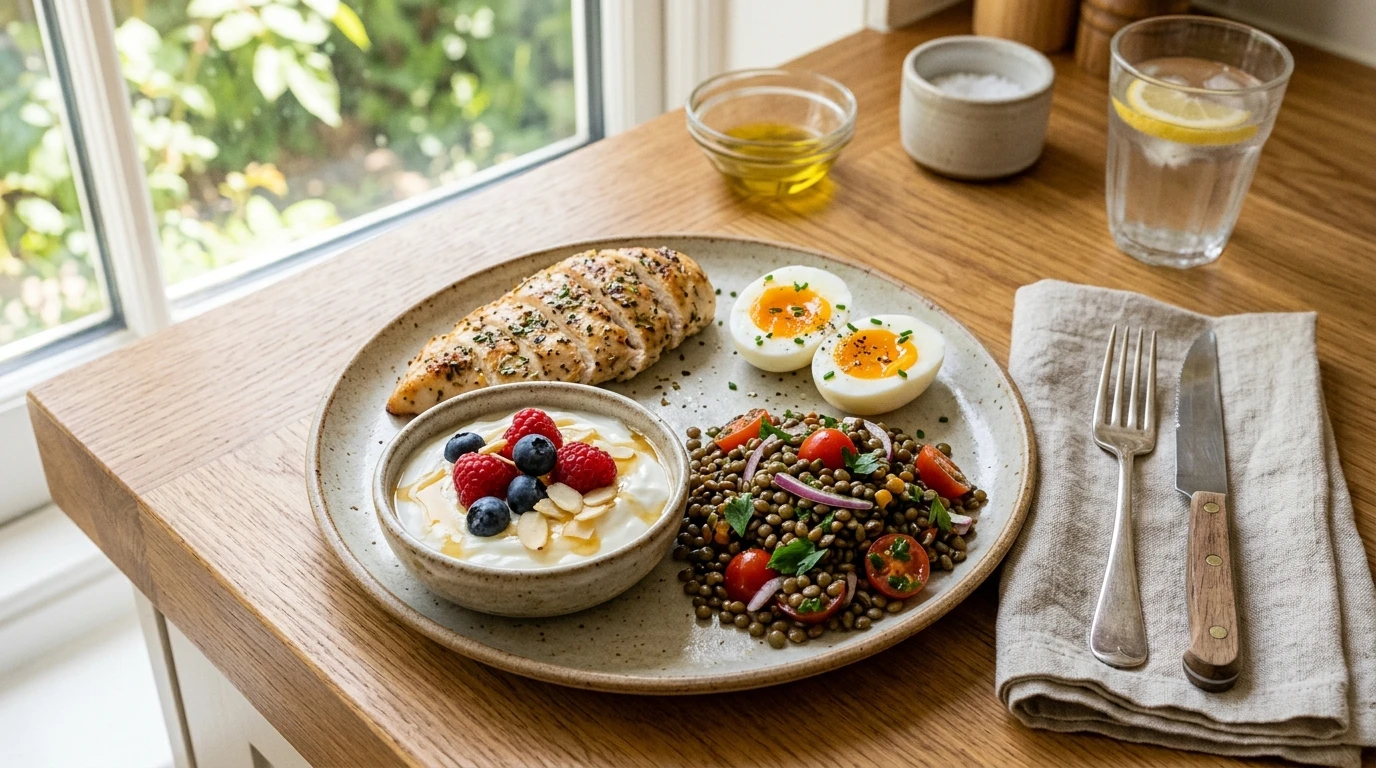
You can hit every calorie target perfectly and still feel hungry nonstop. Watch muscle vanish while fat stays put. Or stall out for months with zero progress. The reason isn’t willpower. It’s simple: not all calories do the same work. Protein does things carbs and fats literally cannot.
Why protein matters more than calories alone
It builds and repairs muscle tissue. It keeps you full longer than anything else you can eat. Your body burns more energy just digesting protein than it does fats or carbs combined. Drop calories to lose weight and enough protein acts as a shield — you burn stored fat instead of the muscle you need to keep your metabolism moving.
Most people pick a number out of thin air and pick too low. Official guidelines set the bar just high enough to keep you from getting sick — not high enough to feel strong, stop craving junk, or actually change your body. The gap between “surviving” and “thriving” on protein is usually double the number you see on random internet pages.
Once you lock in your real daily target, the next step is filling it efficiently. Our ranked list of low-calorie high-protein foods lines up portion-for-portion with every number here.
Real numbers: minimum, active, proven upper limit
These come from actual research reviews, not gym bros selling programs. They hold up across the International Society of Sports Nutrition and the National Academy of Medicine.
- Absolute minimum — 0.8g per kg body weight
This is the RDA for sedentary adults. It keeps basic systems running. That’s it. If you move, lift, or want to stop being hungry every two hours, this number is too low. - Active baseline — 1.2–1.6g/kg
Most people who train or stay active feel their best right here. Recovery is steady. Muscle stays intact. Food volume stays reasonable. - Fat loss or muscle building — 1.6–2.0g/kg
Strong evidence backs this range for anyone training 3+ days a week or eating fewer calories. Protein protects muscle when calories drop. It builds tissue when paired with actual lifting. - Proven upper limit — 2.2g/kg
Past this point, studies show basically zero extra benefit. Digestion gets uncomfortable. Other healthy foods get pushed off your plate. Going higher isn’t dangerous for most people — it’s just wasted effort.
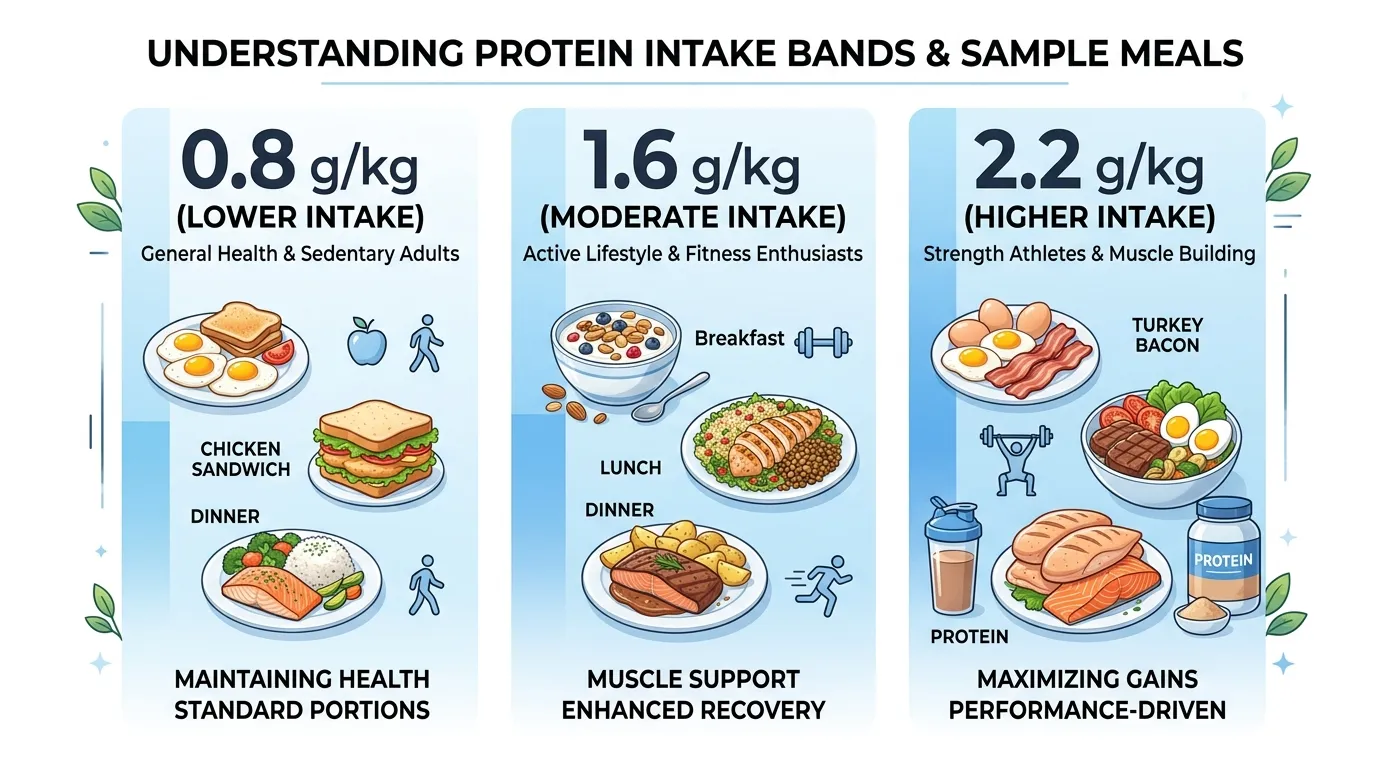
Start in the middle. Give it two full weeks. Then adjust up or down based on how you actually feel and perform — not what a calculator says.
Quick baseline: weight × 1.2
Skip the complicated formulas. Here’s your starting line:
- 60kg × 1.2 = 72g per day
- 70kg × 1.2 = 84g per day
- 80kg × 1.2 = 96g per day
This sits right between survival and active. It works for maintenance or getting started. If you’re training hard or cutting calories, nudge toward 1.8 or 2.0g/kg after two weeks. For a fully custom number, use our free daily protein intake calculator.
RhythmONE — A New Longevity Offer with Strong Early Momentum
Health & Fitness / Dietary Supplements
Support memory function and overall brain health with a natural, plant-based blend including Lion’s Mane, Shilajit, and Bacopa monnieri.
Learn more at RhythmONE →This is not medical advice. For general informational purposes only. Always consult your healthcare provider before starting any supplement, especially if pregnant, breastfeeding, taking medication, or managing a health condition.
Your number changes by goal
Protein for weight loss runs higher because you’re actively protecting muscle while eating less. Protein for muscle gain needs something else first — you actually have to lift heavy things. The food just supplies the building blocks; training sends the signal to use them.
| Goal | Range per kg | What you’ll notice |
|---|---|---|
| Maintain weight & steady energy | 1.0–1.4g/kg | Consistent energy, solid recovery, no hunger spikes |
| Fat loss | 1.6–2.2g/kg | Less hunger, muscle stays while fat drops |
| Build muscle | 1.6–2.0g/kg | Best results when paired with resistance training |
| Endurance / heavy training | 1.6–1.8g/kg | Faster recovery from high mileage or long sessions |
The difference matters most when you’re eating less. That’s why fat-loss numbers are higher across the board. For meal ideas built around these exact targets, see our high-protein food list.
Per-meal math: 20–30g works best
You could eat all your protein in one giant dinner and hit the daily number. Your body still wouldn’t use it well.
Research shows most people’s bodies trigger maximum muscle-building response when servings are spread out — roughly 20–30g per meal. Larger people might push toward 40g comfortably. Anything beyond that in one sitting just gets burned for energy or stored.
Simple daily split:
- Breakfast: 20–25g
- Lunch: 25–30g
- Afternoon snack: 20–25g
- Dinner: 25–30g
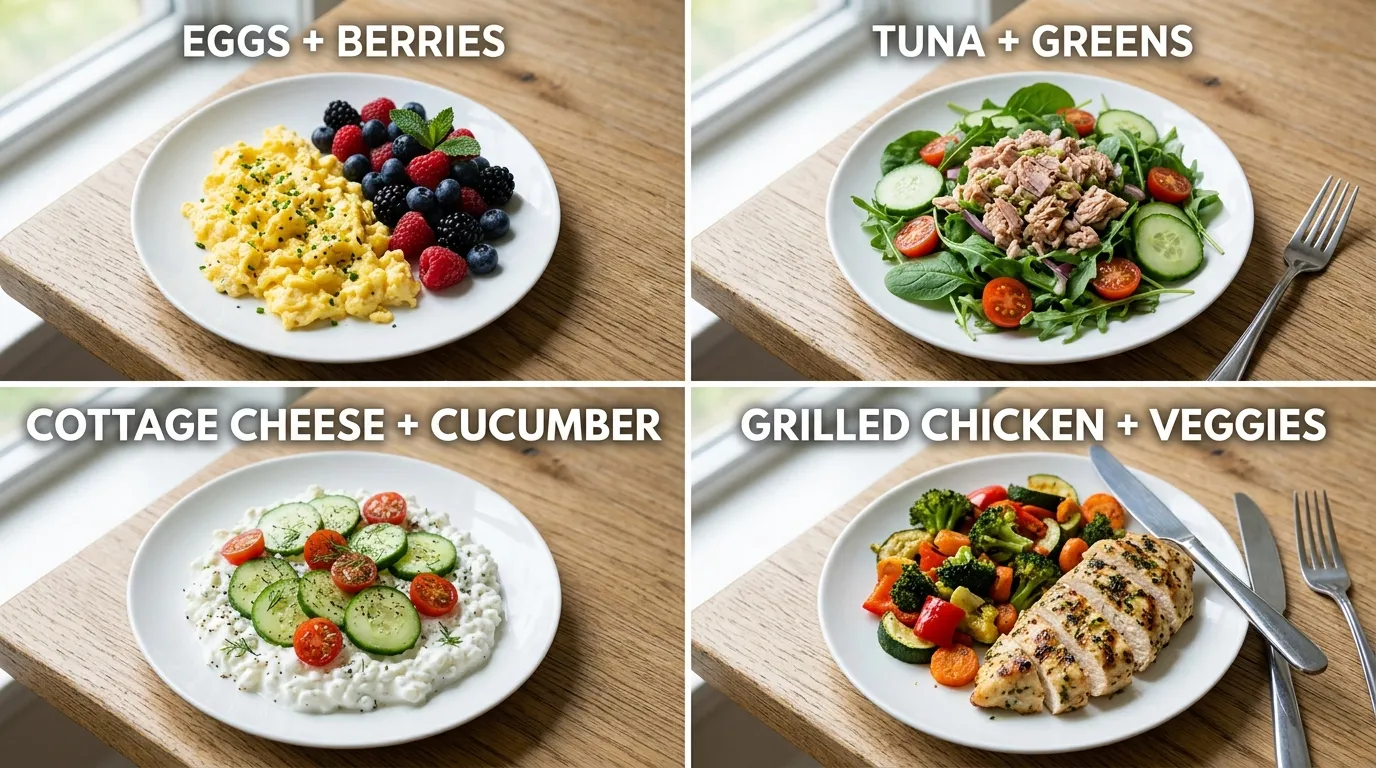
This pattern lines up perfectly with the actual meals in our food list. It’s also easier on digestion and keeps you full between meals.
Too little or too much? Your body tells you
You don’t need an app to know if your intake is off. Just pay attention.
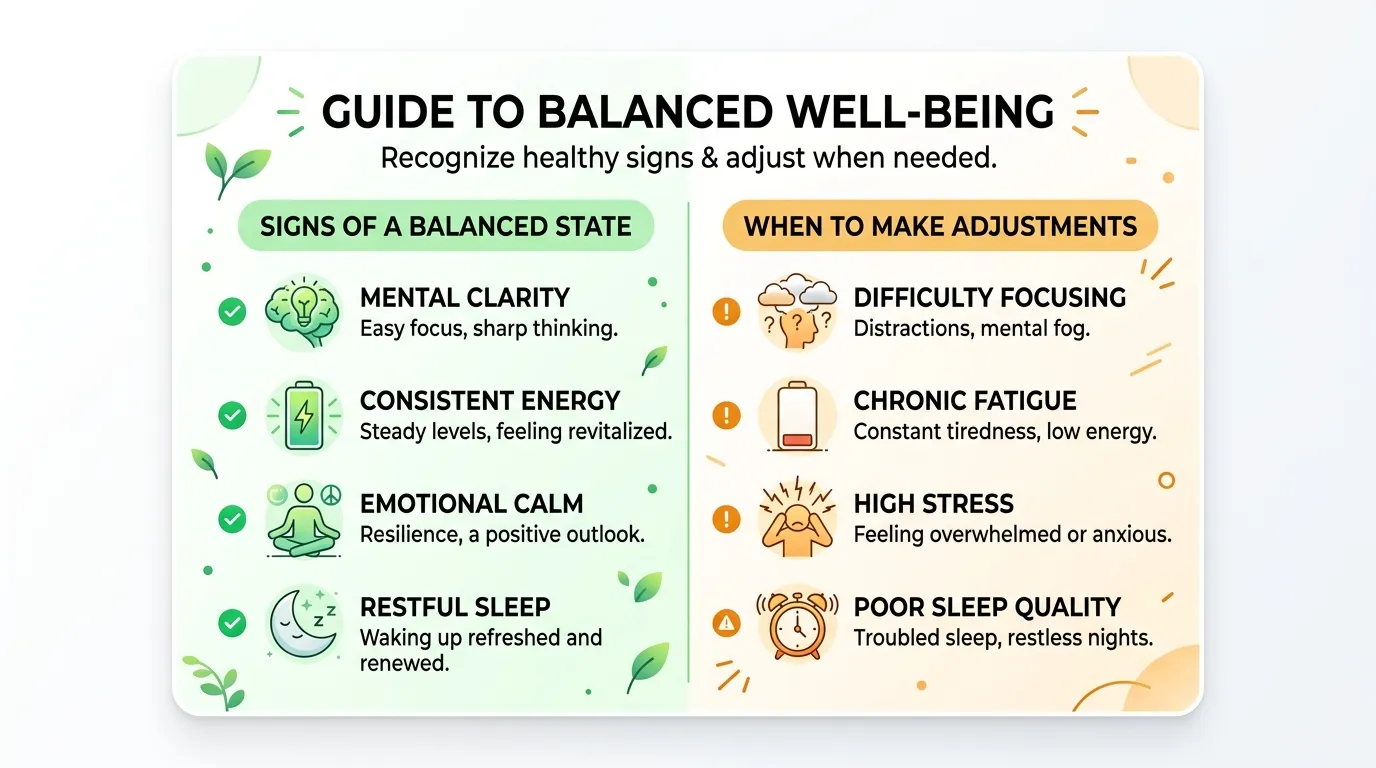
Signs you almost certainly need more:
- You’re hungry again 2–3 hours after eating
- Soreness lingers past 48 hours after a workout
- Hair, skin, or nails feel noticeably weaker
- You’re losing weight but getting physically weaker
- Evenings hit and you can’t stop craving sugar or junk food
Signs you’re pushing past useful levels:
- Bloating or heaviness after most meals
- Vegetables, fruits, and whole grains getting squeezed out
- You consistently go over 2.2g/kg and feel zero difference
- Your grocery bill jumps but your body doesn’t change
Extra protein doesn’t magically turn into muscle. It fuels your day or gets stored as fat if total calories go up. Efficiency beats eating more just because you can.
If you’re relying mostly on plant foods, planning helps you hit these numbers comfortably. Our guide to eating plant-based on a budget shows how to put complete meals together without overspending.
Ready numbers: 60kg / 70kg / 80kg
Pick your weight row. Start in the middle column. Adjust after two weeks if you’re still hungry or dragging.
| Body Weight | Maintenance 1.2–1.4g/kg | Fat Loss 1.8g/kg | Muscle Gain 2.0g/kg | Per Meal × 3–4 |
|---|---|---|---|---|
| 60kg | 72–84g/day | 108g/day | 120g/day | 20–30g |
| 70kg | 84–98g/day | 126g/day | 140g/day | 22–35g |
| 80kg | 96–112g/day | 144g/day | 160g/day | 25–40g |
Round to the nearest 5g. Hitting the exact gram every single day matters less than landing in the range most days.
Questions people actually ask
Can I hit these numbers eating only plant foods?
Yes. Plant proteins digest slower and absorb slightly less completely, so aim for the higher end of your range — add roughly 10% — to make up for it. Combine lentils, tofu, edamame, tempeh, or seitan across your day and you’ll get there.
Does timing matter or is it just the daily total?
Daily total is what counts most. Spread protein across 3–4 meals and you get nearly all the benefit. A solid meal within 2–3 hours of training works fine — you don’t need to chug a shake the second you finish lifting.
Whey protein vs whole foods — which wins?
Whole foods, every time. They keep you full longer and carry fiber and micronutrients powder can’t match. Whey is just convenient. Use it on busy mornings or late sessions — not as a replacement for actual food.
Can you eat too much protein?
For most healthy adults, no — but real benefits stop climbing above roughly 2.2g per kg. Anyone with kidney conditions should follow their doctor’s advice. The real risk for everyone else is crowding out the vegetables, fruits, and fiber your digestion and long-term health need.
Do I track forever?
Use our daily protein intake calculator or a free app for 3–5 days only. That’s enough to learn what proper portions actually look like. After that you’ll eyeball it well enough without counting every gram.
Skip the overhaul — here’s what I’d actually do
Pick one number. Start with your weight × 1.4. Write it down. Hit it 5 days out of 7 for two weeks. That’s it.
Don’t clear your pantry. Don’t buy 10 supplements. Just change one meal — lunch or dinner — so protein hits the plate first: 25–30g worth. Fill the rest with vegetables and whatever carbs you already eat. That single shift moves most people from too low right into a healthy range.
After two weeks check in. Still hungry? Bump it up. Bloated or sluggish? Pull back. The right number isn’t the highest one. It’s the one you can stick to without thinking about it. Consistency beats perfect every single time.
Disclaimer. This is educational, not medical advice. Results vary. Talk to a doctor or registered dietitian before making major diet changes — especially if you have kidney conditions, chronic illness, or take medication.
Sources
- Academy of Nutrition and Dietetics, Dietitians of Canada, American College of Sports Medicine — Nutrition and Athletic Performance. acsm.org
- International Society of Sports Nutrition — ISSN Position Stand: Protein Intake for Physically Active Individuals. jissn.biomedcentral.com
- National Academy of Medicine — Dietary Reference Intakes for Energy, Carbohydrate, Fiber, Fat, Fatty Acids, Cholesterol, Protein, and Amino Acids. nap.edu
- Harvard T.H. Chan School of Public Health — The Nutrition Source: Protein. hsph.harvard.edu
For more practical nutrition guides, visit bodylix.com

Fitness Specialist & Former Tactical Trainer
Bal Krishna Poudel has spent more than 19 years in law enforcement organization, and fitness has been at the center of it all. He knows physical conditioning, dynamic strength training, and everyday wellness inside and out. For close to two decades, he taught at official police training centers, getting officers ready for the physical demands of the job—building their endurance and operational fitness. These days, he coaches people in his local community on strength and fitness. At 49, he doesn’t just talk about staying active—he lives it, showing up every day to train and move. He writes for Bodylix, where he shares workouts and nutrition advice that regular readers can actually use, backed by science and built around one goal: helping people stay strong and healthy for the long haul.
